Nestled in the northwest corner of Minnesota, Roseau has a rich and vibrant history spanning more than 130 years. From its earliest days as a home to Indigenous peoples to its growth as a thriving modern community, Roseau has continually evolved while maintaining its deep connection to the land and its people.
A Glimse into the Past: Roseau’s Indigenous and Immigrant Roots
Before European settlers arrived, the land that is now Roseau was home to the Ojibwe people. They lived off the land, hunting, fishing, and harvesting wild rice from the region’s lakes and rivers. The name “Roseau” itself is derived from the French word for “reed,” referencing the tall grasses growing along the banks of the Roseau River. The river was an essential part of Indigenous life, serving as a transportation route and a source of sustenance.
An Immigrants Journey to Roseau, MN on a "Wooden Shoe Boat"
What motivated immigrants to come to America? In the late 1800s, many people around the world chose to leave their homes and immigrate to the United States. They were driven by factors such as crop failures, land and job shortages, rising taxes, and famine. The U.S. was seen as a land of economic opportunity, offering the hope of a better life.
Here is part of a Passenger Arrival List, sometimes called “ship passenger lists taken from the Baltimore, Maryland Passenger List found in Ancestory.com of an immigrant family, Anton, and Mary Zak. They were residents of Idar, Rhineland-Palatinate, Germany, before immigrating to the United States of America. They had left from the port located in Bremen, Germany.
The journey to America
Several photos show the immigrants traveling to the United States of America on two different ships.
Frantiska (Frances) Zak Grindahl, when reminiscing about her journey to America aboard the Hannover, once exclaimed, “We came over on a wooden shoe boat, and we all almost drowned!” Her words capture the perilous and uncertain voyage that many immigrants faced as they sought a new life in the United States.
According to Hazel Wahlberg’s account in the Roseau County Heritage Book, the first settlers began trickling into the Roseau Valley around 1890. Just five years earlier, in 1885, there were only four known settlers in the entire county. By 1889, that number had surged to 600, with immigrants arriving from across Europe, drawn by the promise of opportunity and fertile land.
Roseau County itself was officially created on February 28, 1894, carved from Beltrami and Kittson counties. It wasn’t until 1897 that the county became fully organized, laying the foundation for the thriving communities that still exist today.
The journey to Roseau was not for the faint of heart, but for those who braved the hardships, it became home—a place built on perseverance, resilience, and the dreams of those who dared to cross the ocean on boats like the Hannover.
The Birth of Roseau County and Its Early Development
By the early 20th century, Roseau had grown into a bustling town, with businesses, schools, and a strong agricultural presence shaping its identity.
View historical images including Main Street in the 1900’s, the Roseau Creamery, and the arrival of the first train in 1908.
Farming, Grain Elevators, and Economic Growth in Roseau
Discover how agriculture, grain elevators, and rural innovation built the foundation of Roseau’s local economy.
As farming flourished, the need for efficient grain storage and transportation became evident. The construction of grain elevators in Roseau played a crucial role in supporting local farmers, allowing them to store and ship their crops to broader markets.
These towering structures became landmarks of the town’s economic success, solidifying agriculture as a cornerstone of the local economy.
The Founding of Polaris and Industrial Growth
Est. 1954
See how a small machine shop turned Roseau into the Birthplace of Polaris, A leader in snowmobiles and powersports.
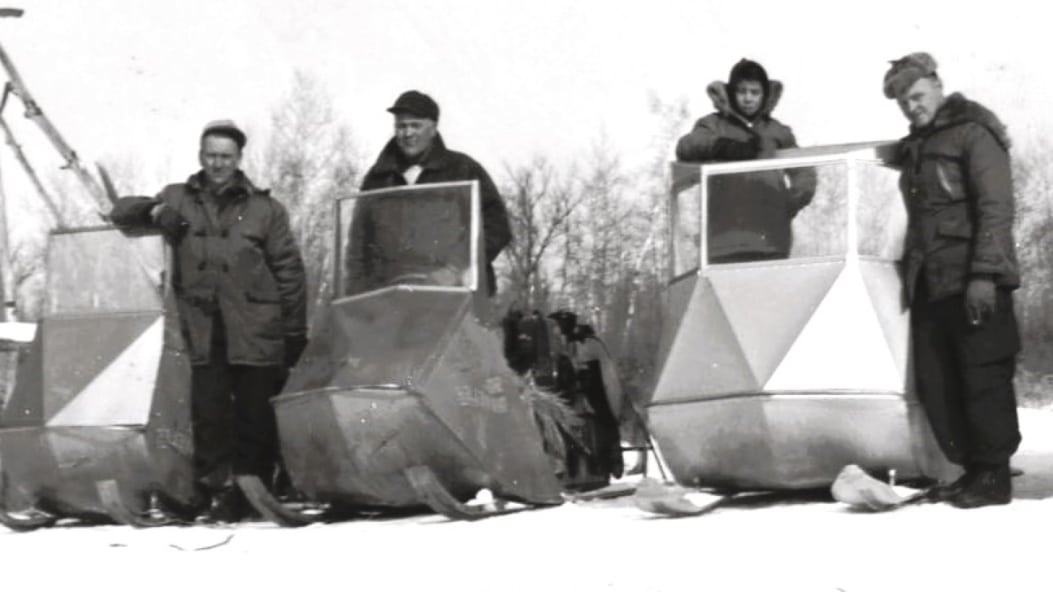
One of Roseau’s most significant contributions to American industry came in 1954 with the founding of Polaris. Originally established as a small machine shop by Edgar Hetteen, David Johnson, and Allan Hetteen, Polaris quickly became a pioneer in the snowmobile industry. What began as a necessity for winter travel evolved into a global leader in powersports, putting Roseau on the map as an innovation hub. Polaris remains one of the largest employers in the region, continuing to drive economic growth and technological advancement.
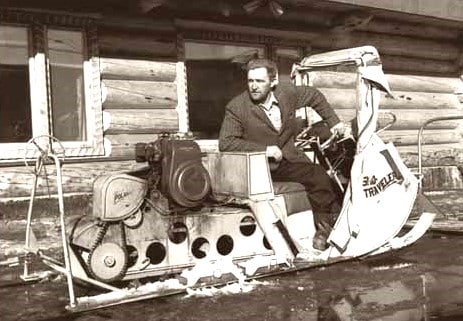
Edgar Hetteen sits on the Polaris Sno-Traveler he used to complete the 1200-miles expedition across Alaska in 1960.
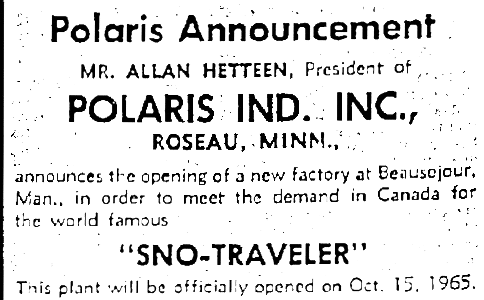
Announce of plant opening as an advertisement
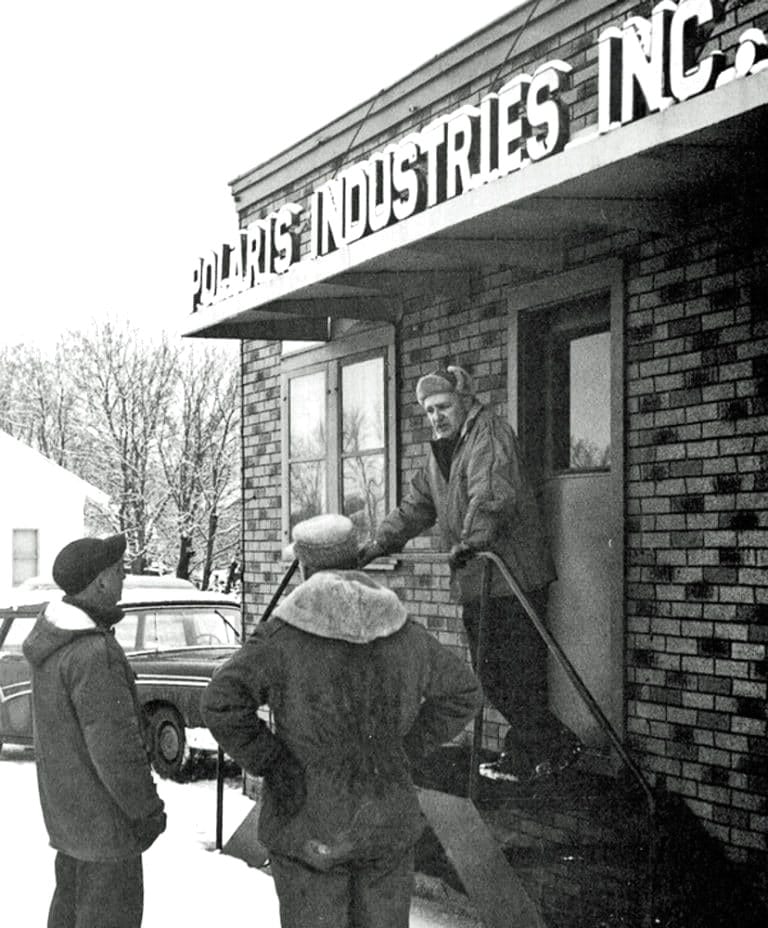
Allan Hetteen, David Johnson, Edgar Hetteen at the entrance of Polaris Industries.
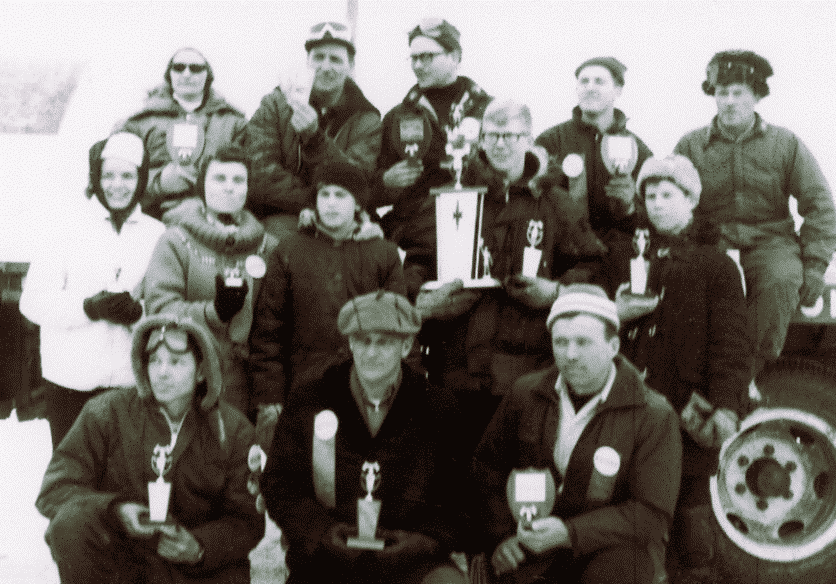
In 1966 at the St. Paul Winter Carnival, following Herb Howe’s first place finish and Edson Brandt’s second placing in the Winnipeg to St. Paul 458 mile race another derby was held. The derby was at Lake Phalen Park, Randy finished third in Open Class. He is standing and the third man from the left in the back row. Marlys Brandt seated on the snowmobile, scored a second in the Powder Puff! Edson Brandt place third in the 14-horsepower class. All pictured in this photo won on a Polaris snowmobile!
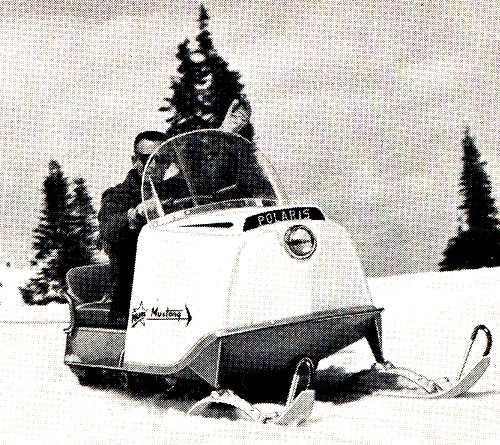
Randy driving a Polaris Mustang for a photo shoot.
In 1965 the first Roseau Winter Festival was held. Organized by the Roseau Lions Club, Allan Hetteen, David Johnson, Polaris Industries, Bob Foley would prove to be a successful event for several decades!
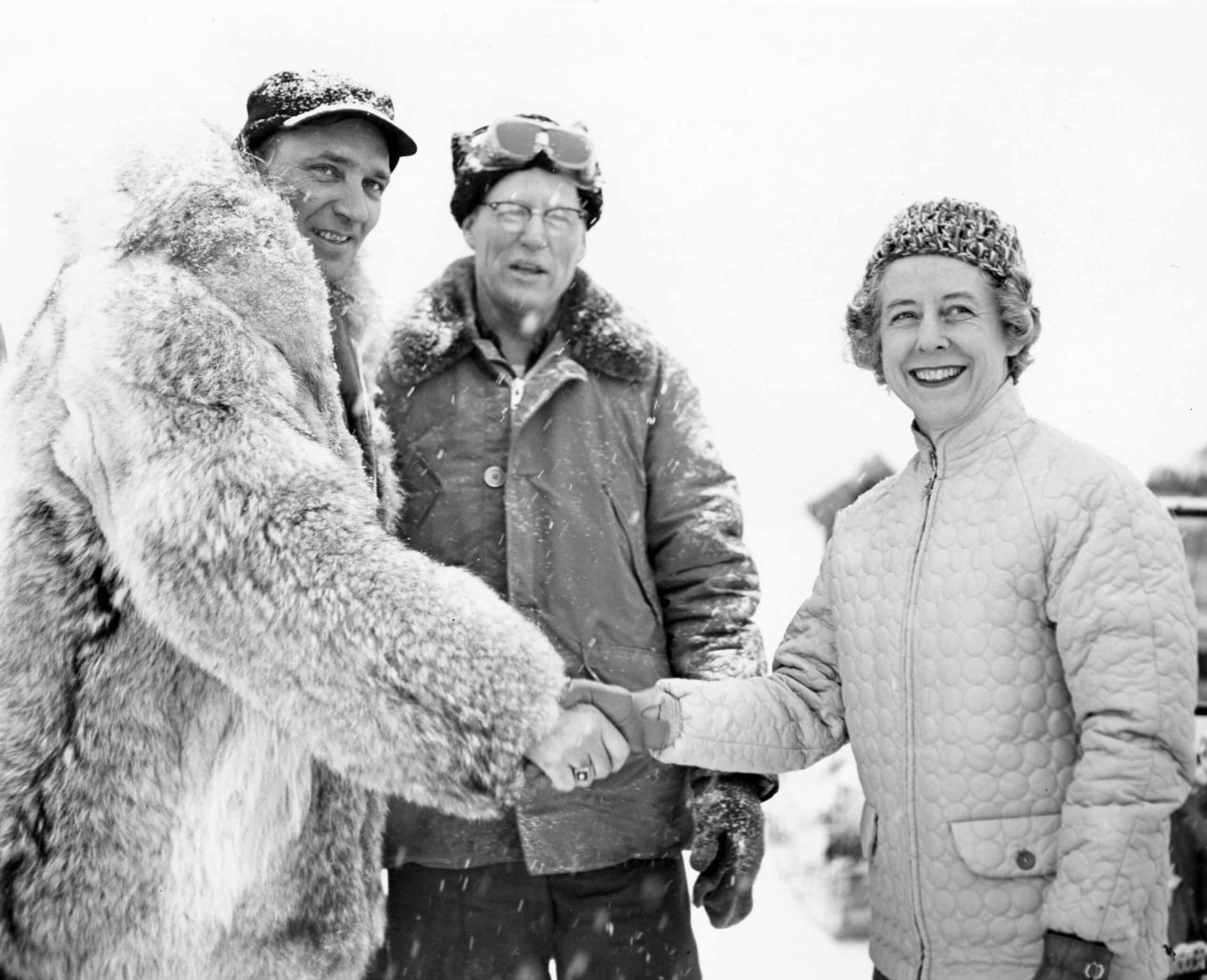
Allan Hetteen, President of Polaris Industries, Ray Brandt, the Distributor of Polaris for the western part of the United States, and the former First Lady of the United States, Mamie Eisenhower in Sun Valley, Idaho.
Roseau Today: A Progressive Community with Deep Roots
From schools to healthcare to tourism, explore how Roseau continues to thrive while honoring its history.
Today, Roseau stands as a progressive and forward-thinking community. While it continues to honor its agricultural and industrial roots, it has also embraced modern developments in education, healthcare, and tourism. The city hosts numerous events, including the annual Roseau County Fair and various cultural festivals, fostering a strong sense of community. With ongoing investments in infrastructure, business growth, and recreational opportunities, Roseau remains a dynamic and welcoming place to live and visit.
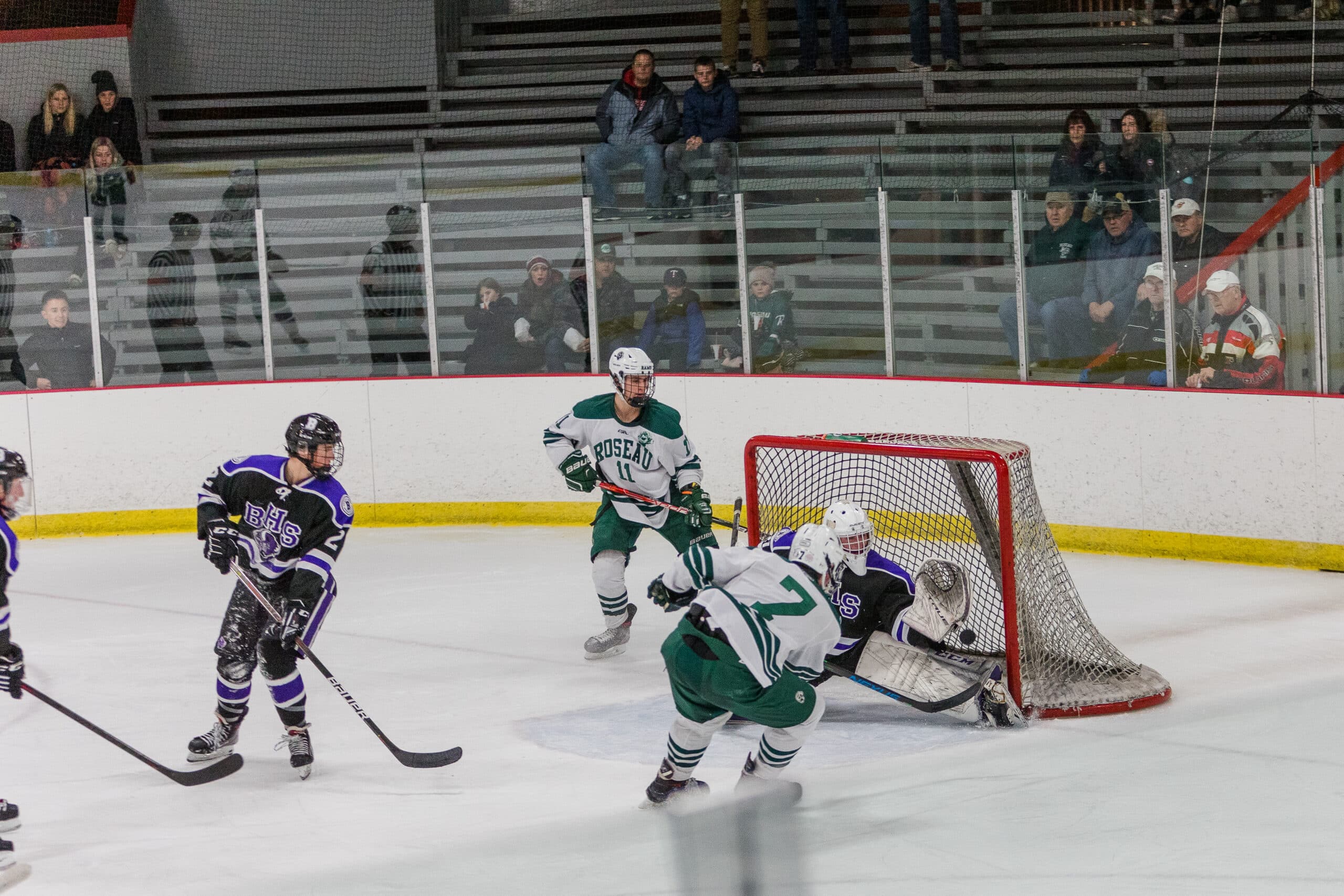
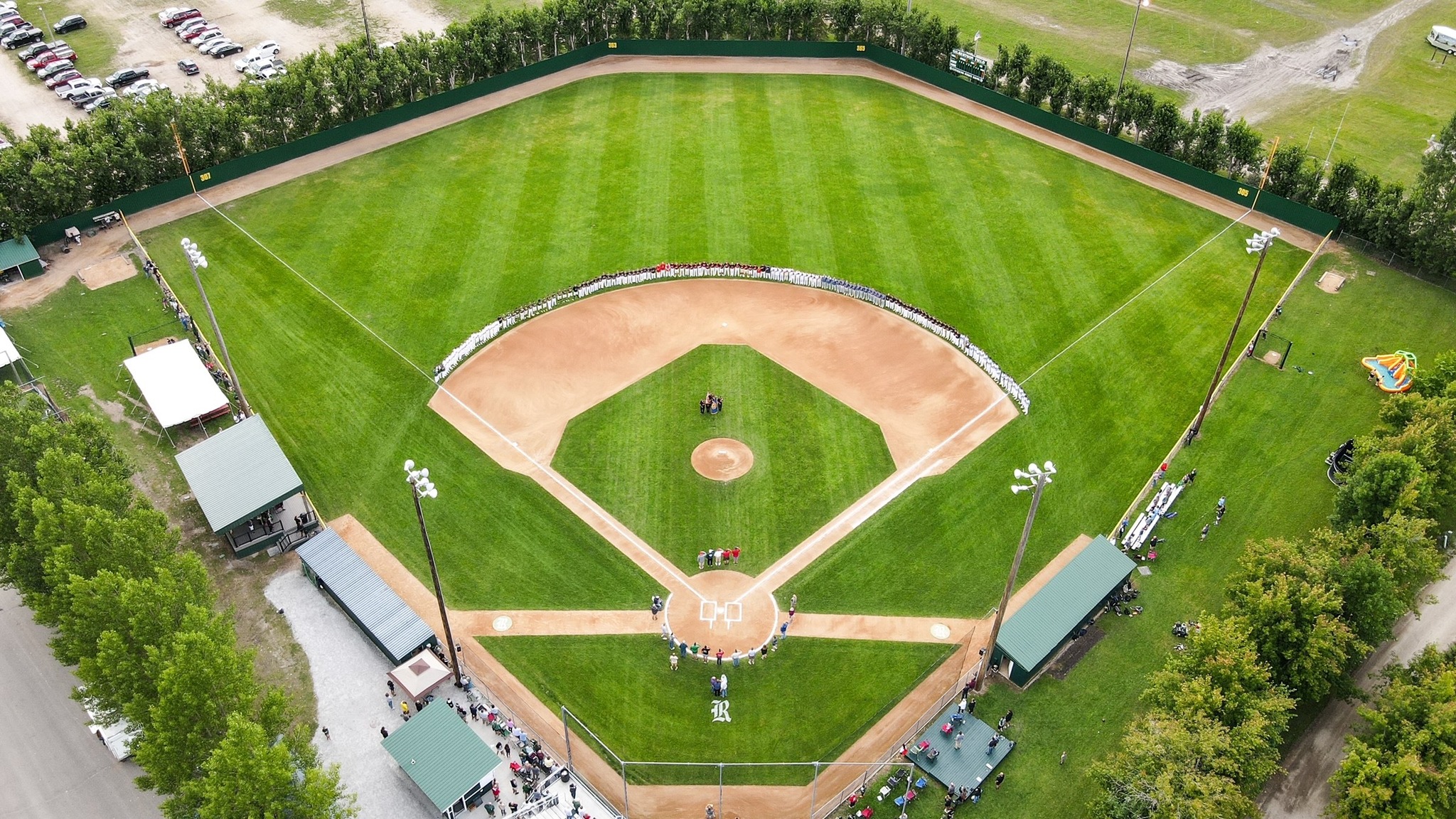
Hockey
Roseau Airport
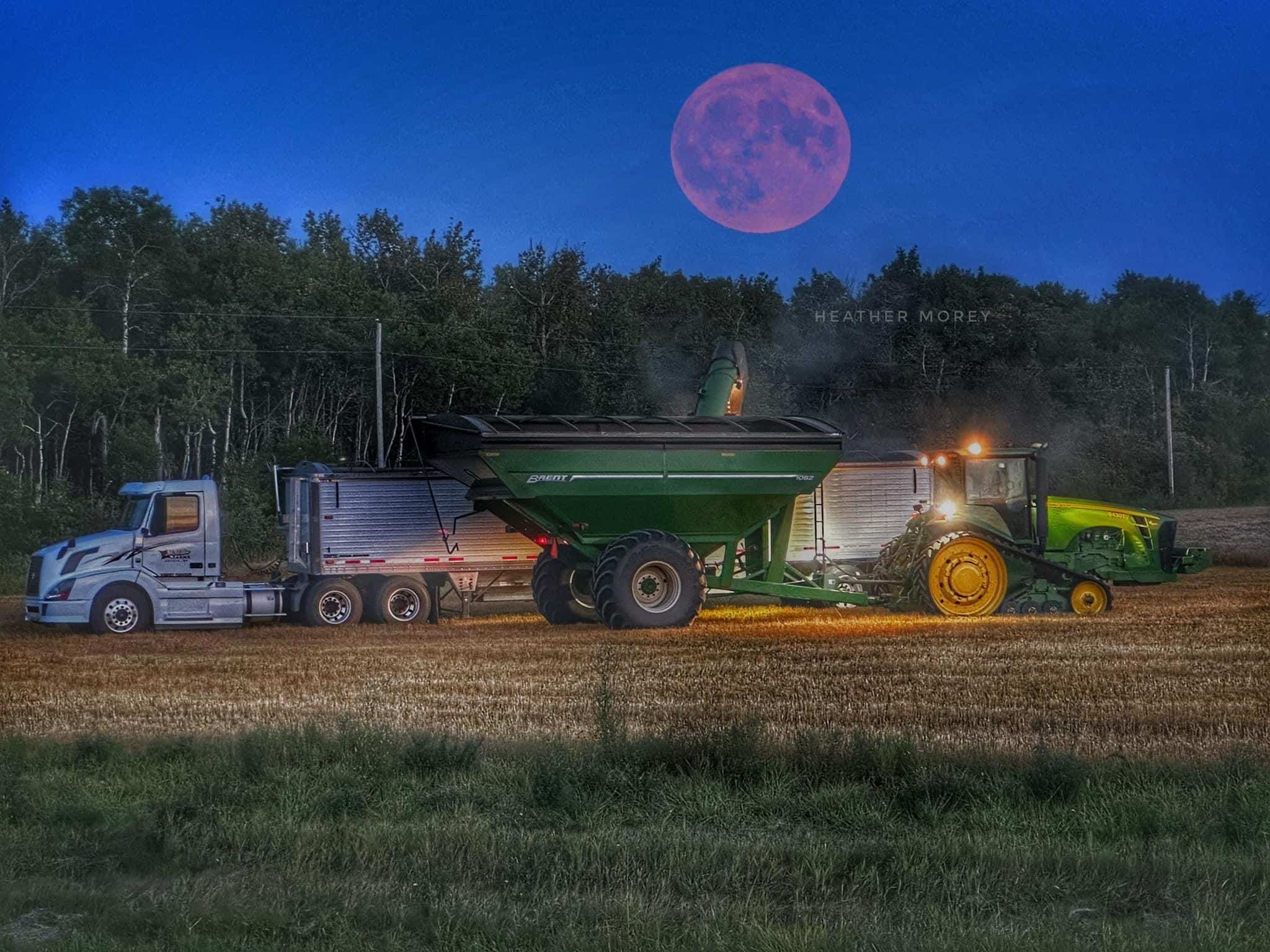
Farming
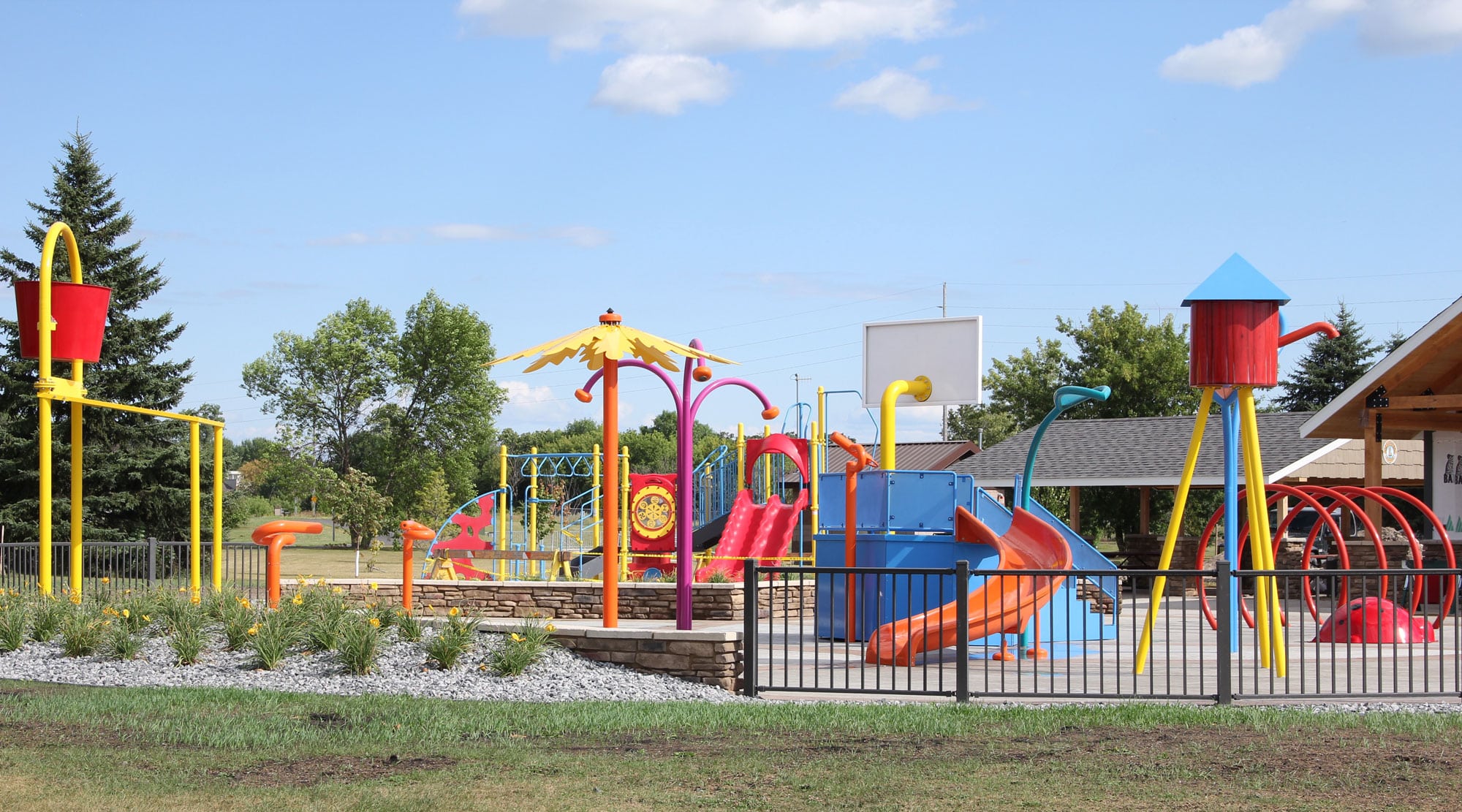
Splash Park
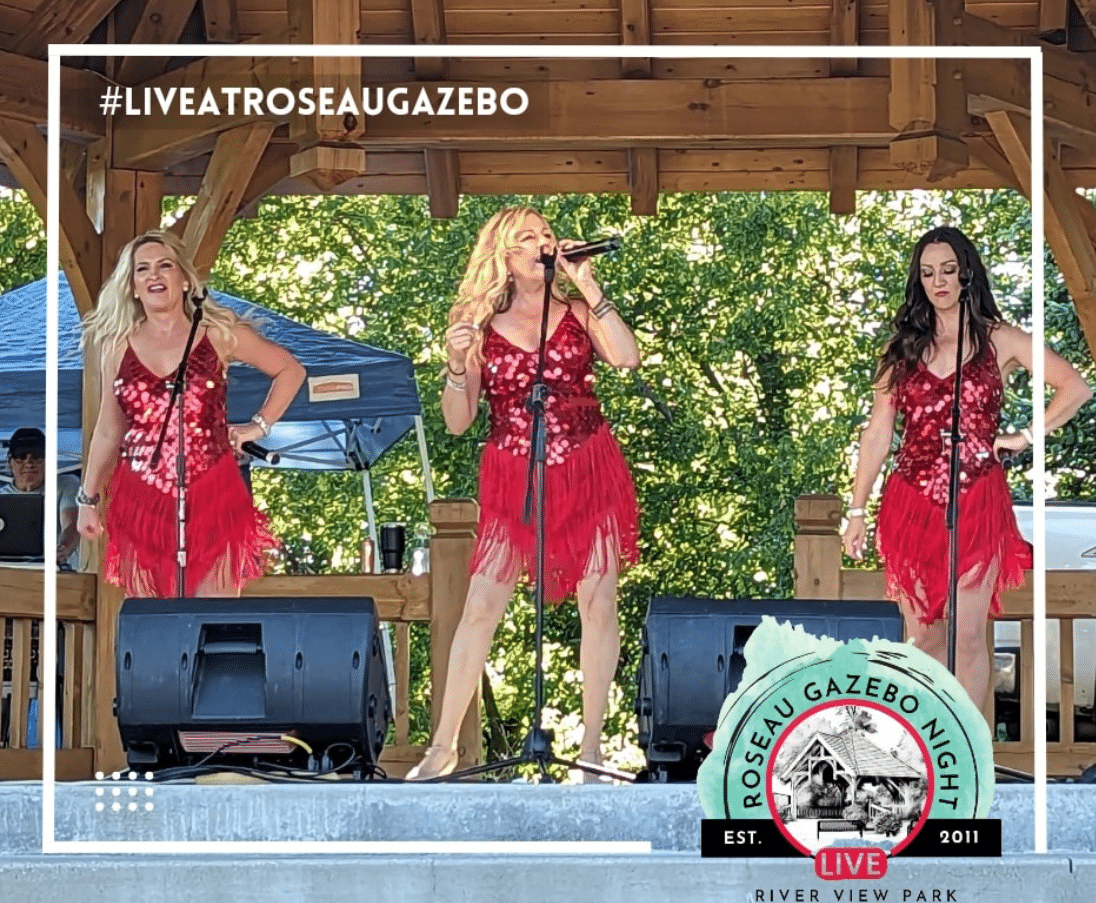
Entertainment
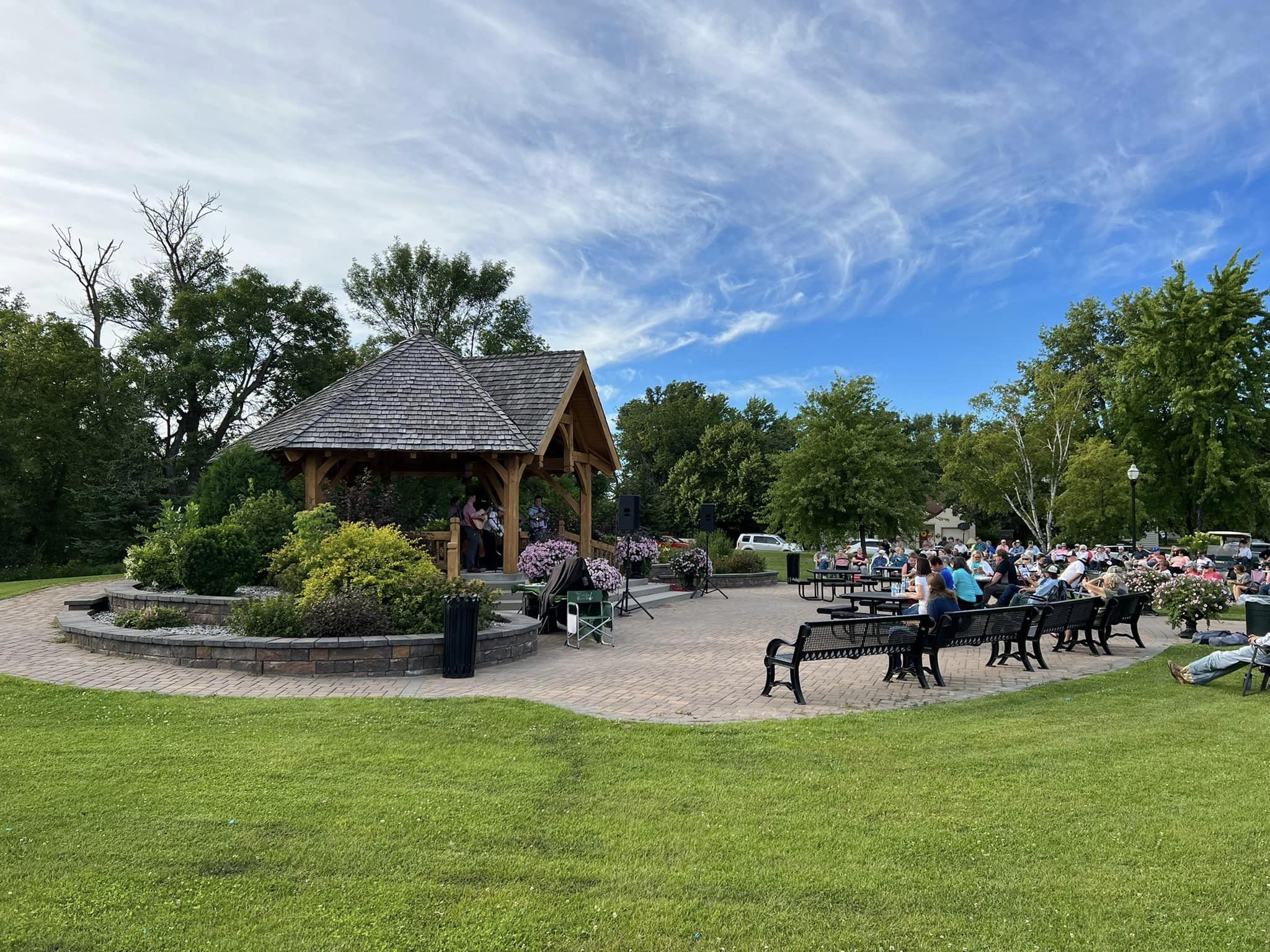
The Roseau Gazebo
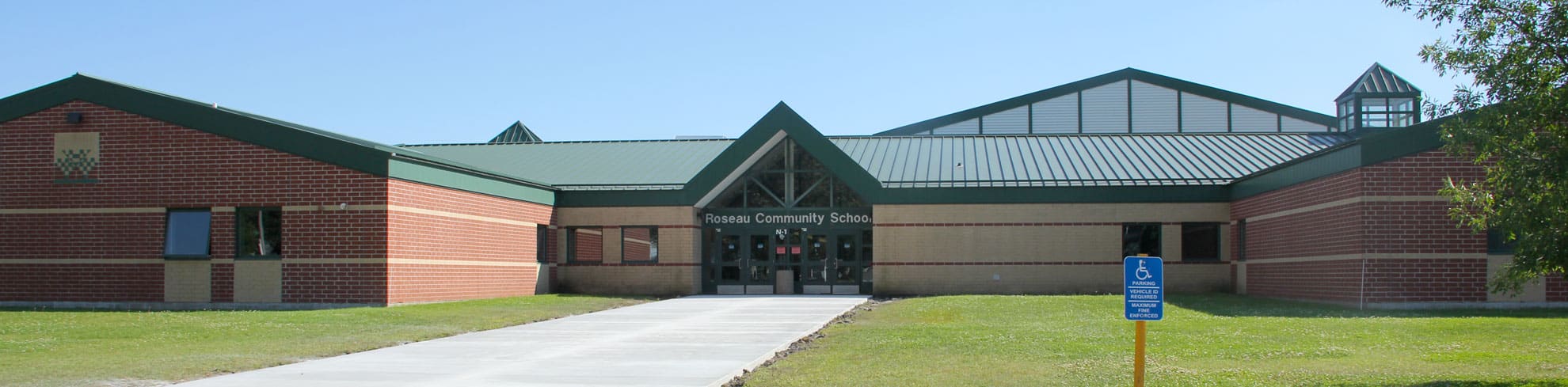
Roseau School
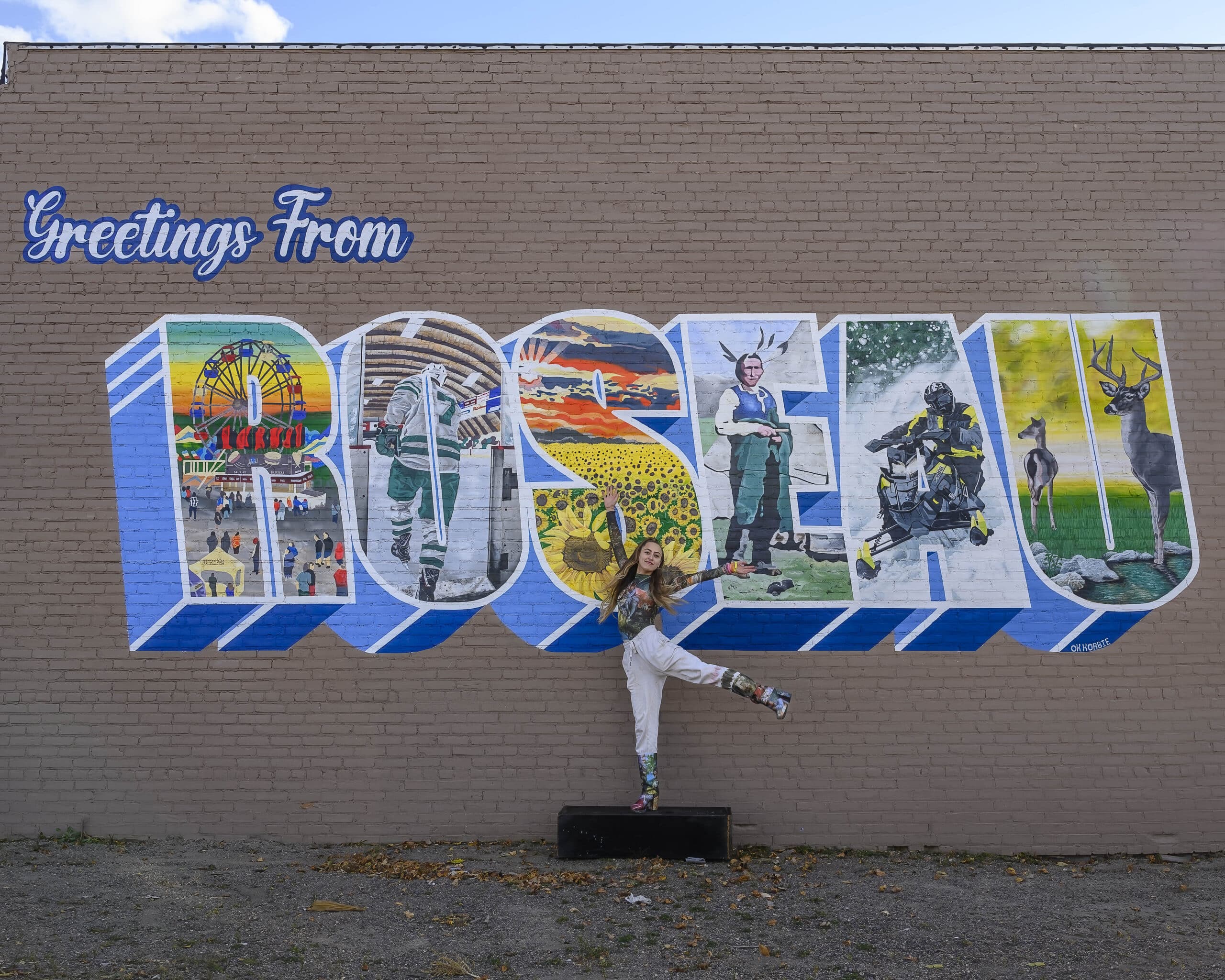
Roseau Mural 2024 with artist Angina Korb funded by C and C Grant
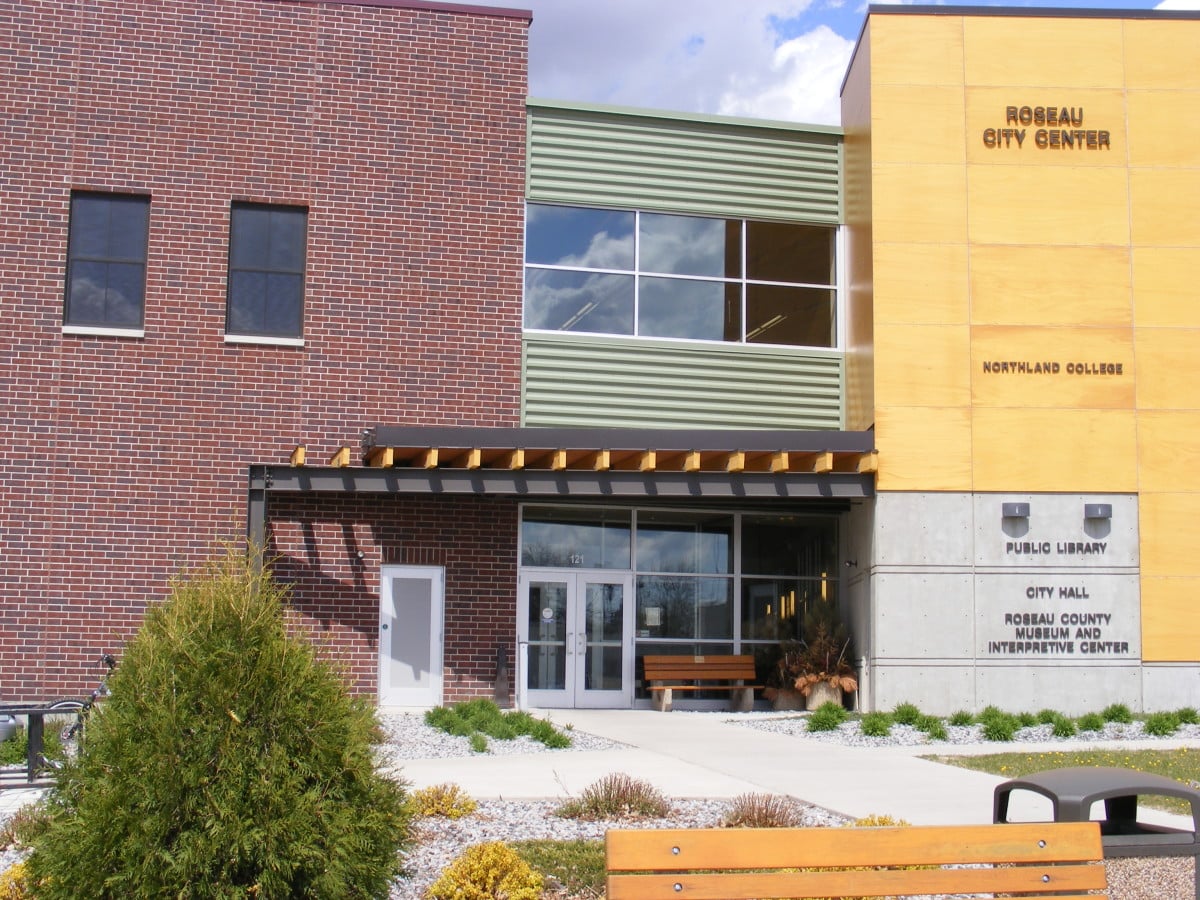
Roseau City Center
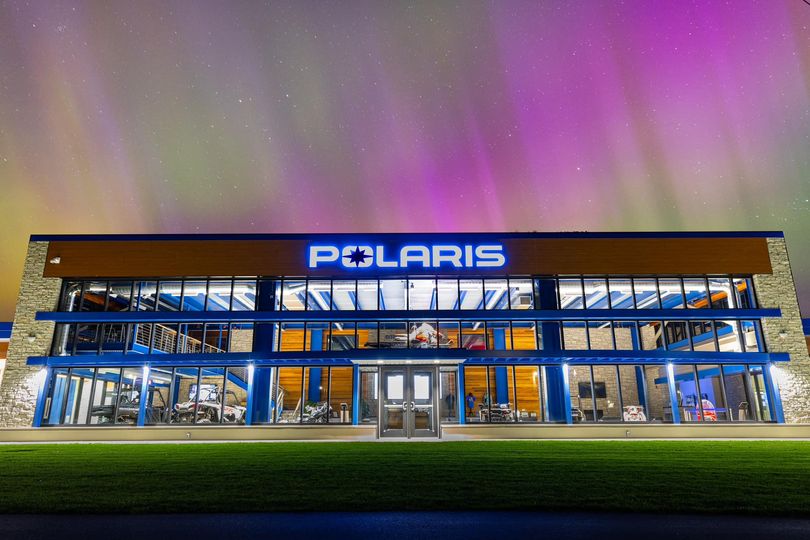
Polaris 2024
To learn more about Roseau's History visit the Roseau County Museum