Dorothy Mercer: A Trailblazer in Snowmobile Racing | Polaris | Part 1
Women’s History Month, observed in March, recognizes women’s achievements across diverse fields and inspires future generations. It also reflects on progress toward gender equality and ongoing challenges.
Dorothy Mercer, once called the fastest woman on snow, overcame significant barriers from the 1950s through the 1970s. In the late 1950s, when Dorothy was a teenager, girls had fewer opportunities in sports, limited mainly to physical education or extracurricular activities, with competitive avenues restricted until Title IX several decades later. Female athletes faced skepticism and poor funding compared to boys’ programs.
In the 1960s, American women endured discrimination in pay, workplace roles, and access to credit, fueling the second-wave feminist movement and reforms like the Equal Pay Act of 1963. Despite being one-third of the workforce, women were often denied higher positions and fair salaries; many rights were inaccessible without a husband’s approval. For example, women were unable to take out bank loans, have their own checking account, nor could they have a credit card, UNLESS it was in the husband’s name, and his signature was on the paperwork.
Dorothy Mercer defied these challenges, and we look forward to sharing more about her story.
CJ Hadley, a Neveda Newspaper Hall of Fame member officiated over Dorothy’s celebration of life service March 14, 2007, opening her dialogue with these words:
“Dorothy Mercer
Born October 21, 1941.
Died March 9, 2007.
“She was a mess.
She died young.
She was generous.
She was a delight and a nightmare.
She was Dorothy Lou Mercer.”
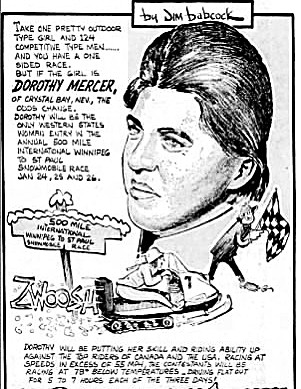
Dorothy Mercer was one of the most colorful and unique figures in the history of snowmobile racing.
Dorothy Mercer is celebrated as one of the sport’s most successful female snowmobile racers, especially noted for her dominance during the early days of competition. Her outstanding skill and achievements made her a pioneer, proving that women could excel in a historically male-dominated arena. By breaking these barriers, Mercer not only advanced her own career but also encouraged more women to participate in professional snowmobile racing, motivating future generations to challenge traditional gender roles in motorsports.
Dorothy ‘s Early Life and Education
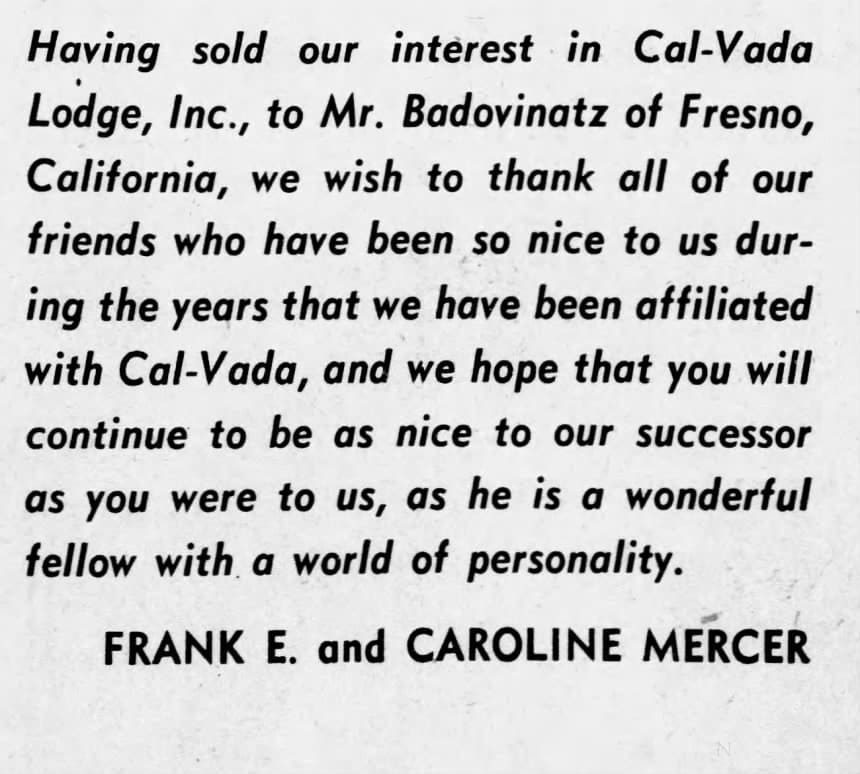
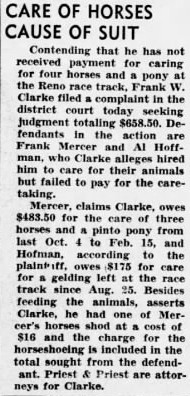
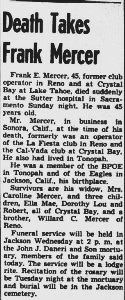
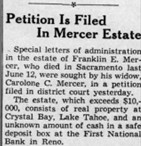
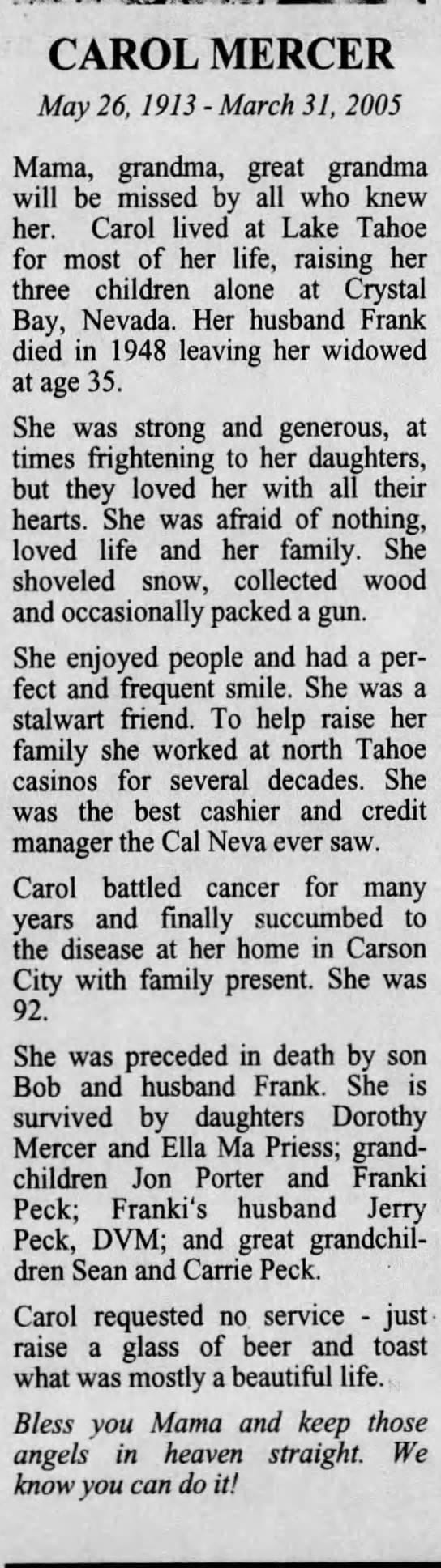
Dorothy Mercer was born on October 20, 1941, in Sacramento County, California, to Frank and Caroline Mercer. Her father died when she was seven years old. Frank Mercer, a World War II veteran, was a business owner in Sonora, California, at the time of his death.
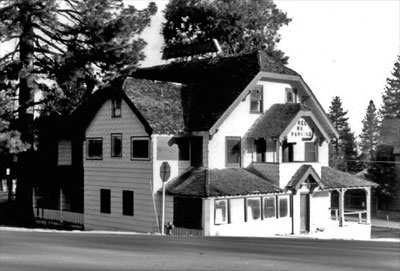
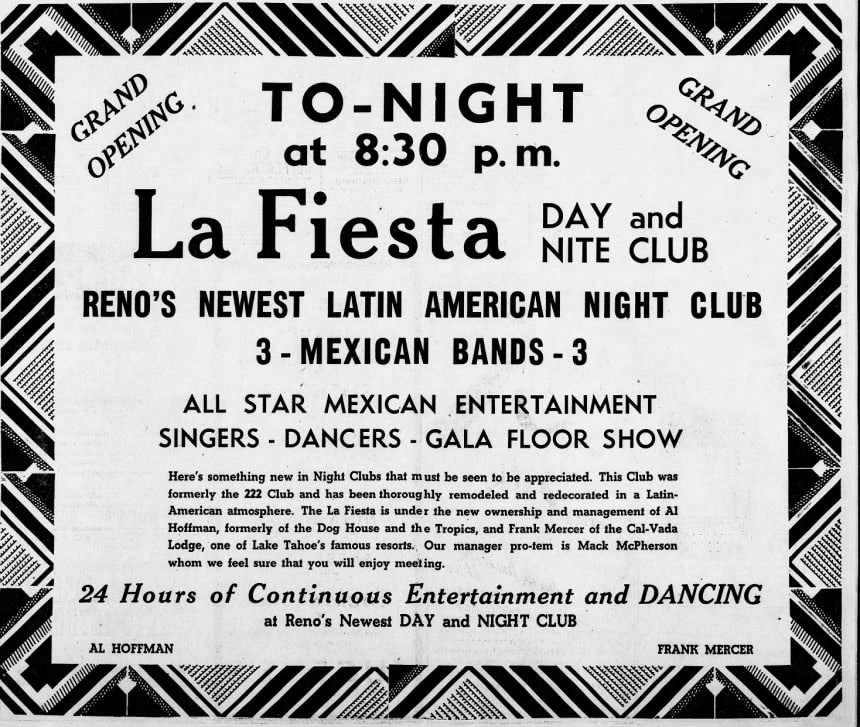
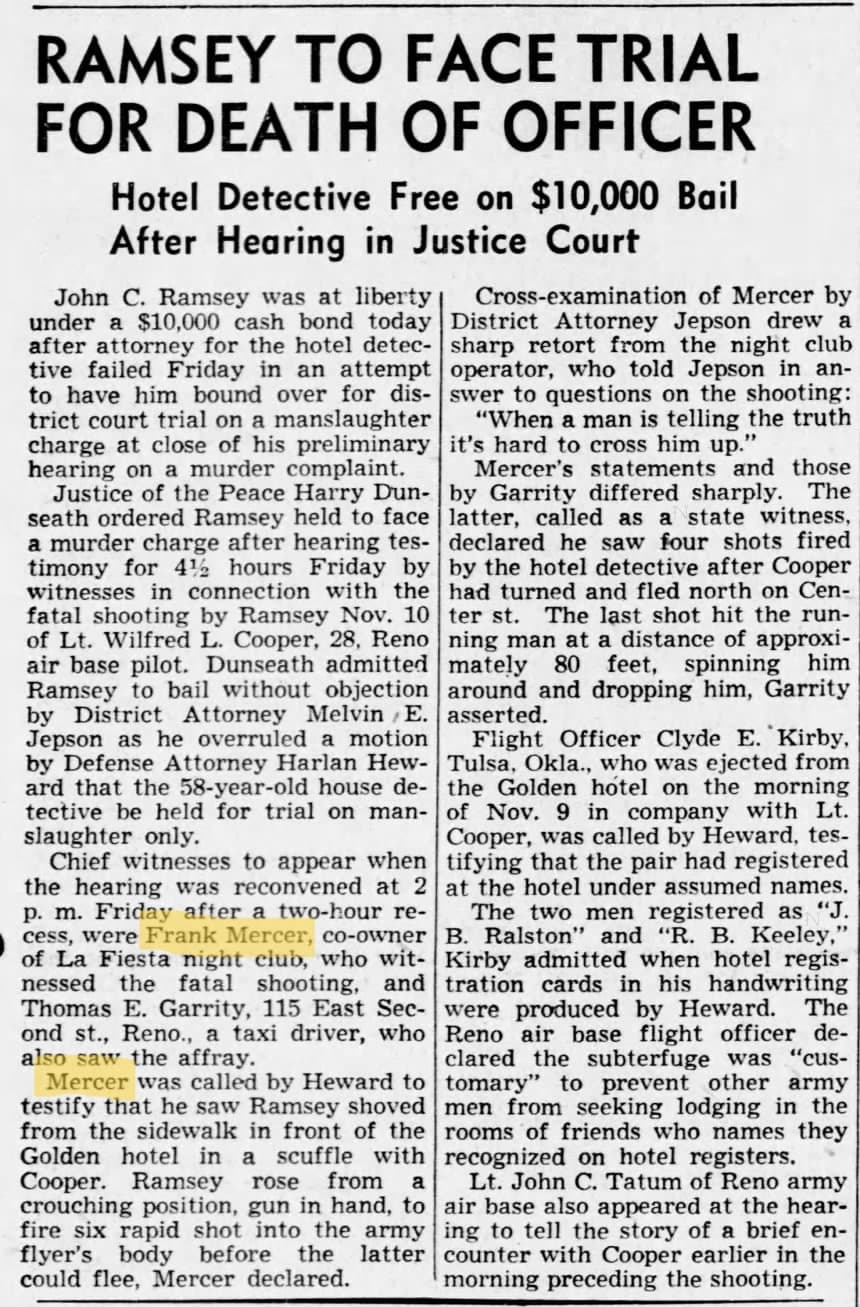
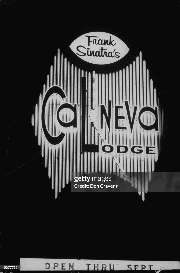
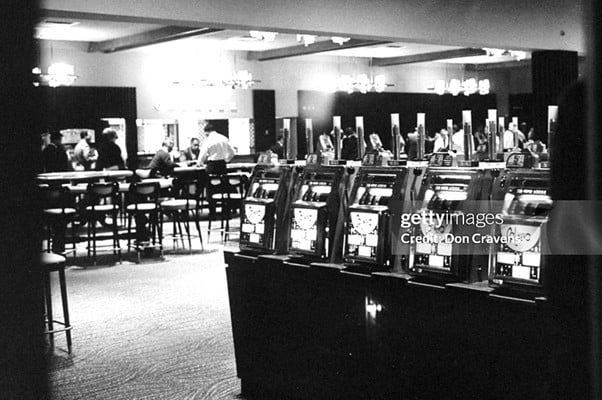
Frank and his wife Carol were investors and operated the Cal-Vada Club in Crystal Bay, Nevada, in the early 1940s. He was also a partner in the purchase of the La Fiesta Club in Reno, Nevada, in 1944.
After her husband’s death, Carol worked as a cashier and credit manager for several decades.
Dorothy's Parents Frank and Carol Mercer's Life Events
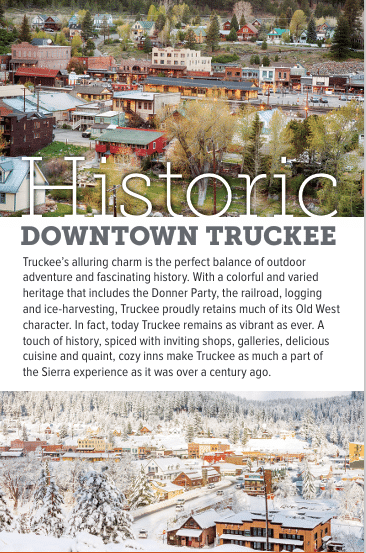
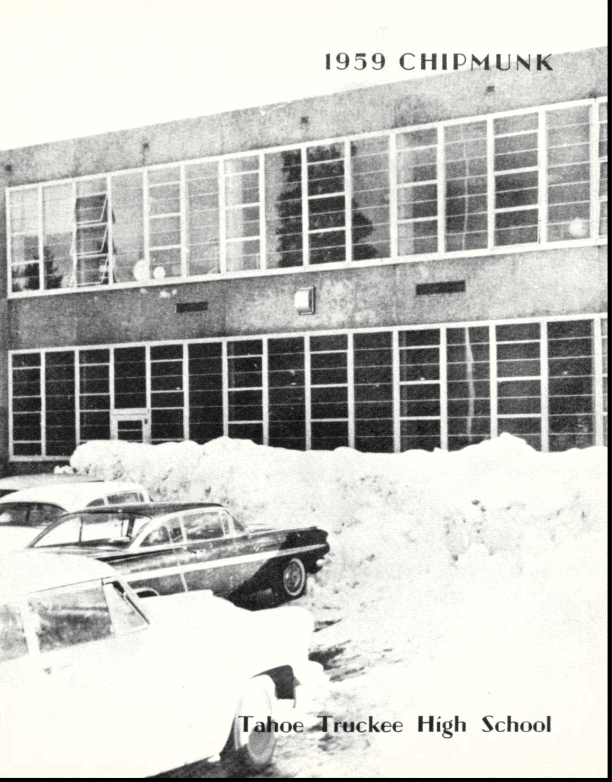
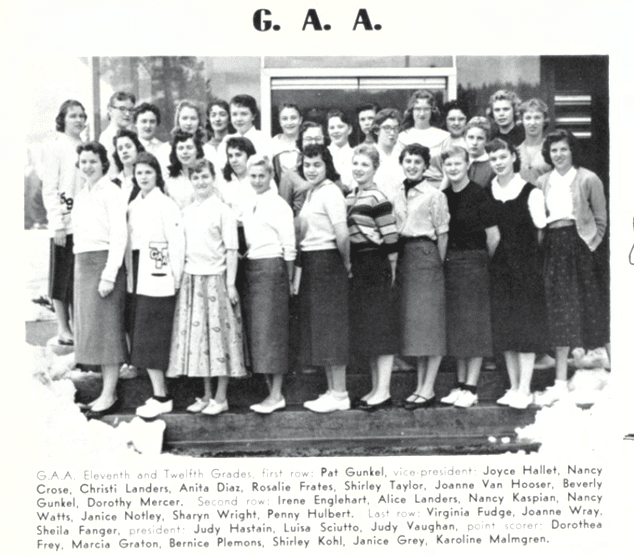
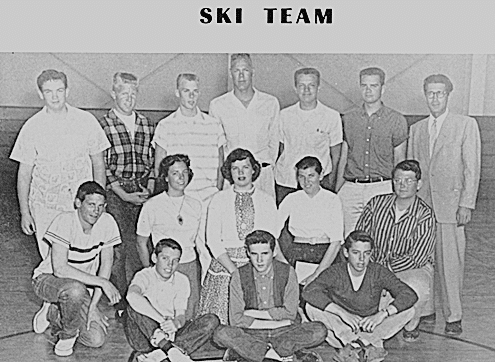
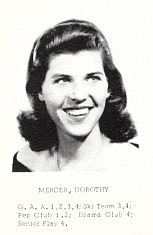
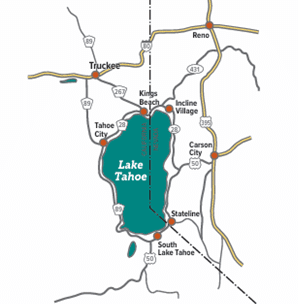
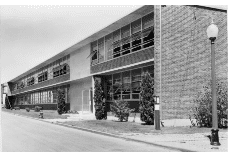
Dorothy Lou spent much of her childhood and early adult life in the North Shore area of Lake Tahoe. Dorothy attended a one-room schoolhouse as a child before graduating from Tahoe Truckee High School in Truckee, California in 1959.
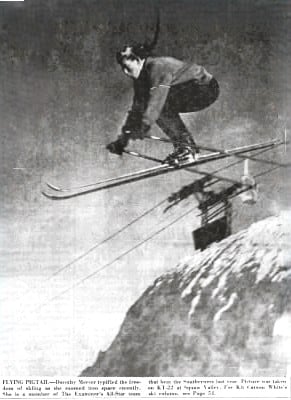
Dorothy was a natural-born athlete. She was a great water-skier and taught others how to streak across Lake Tahoe at breakneck speed. She taught scuba diving. She rode wild horses in Arizona. She was an excellent downhill skier.
She seemed to have no fear!
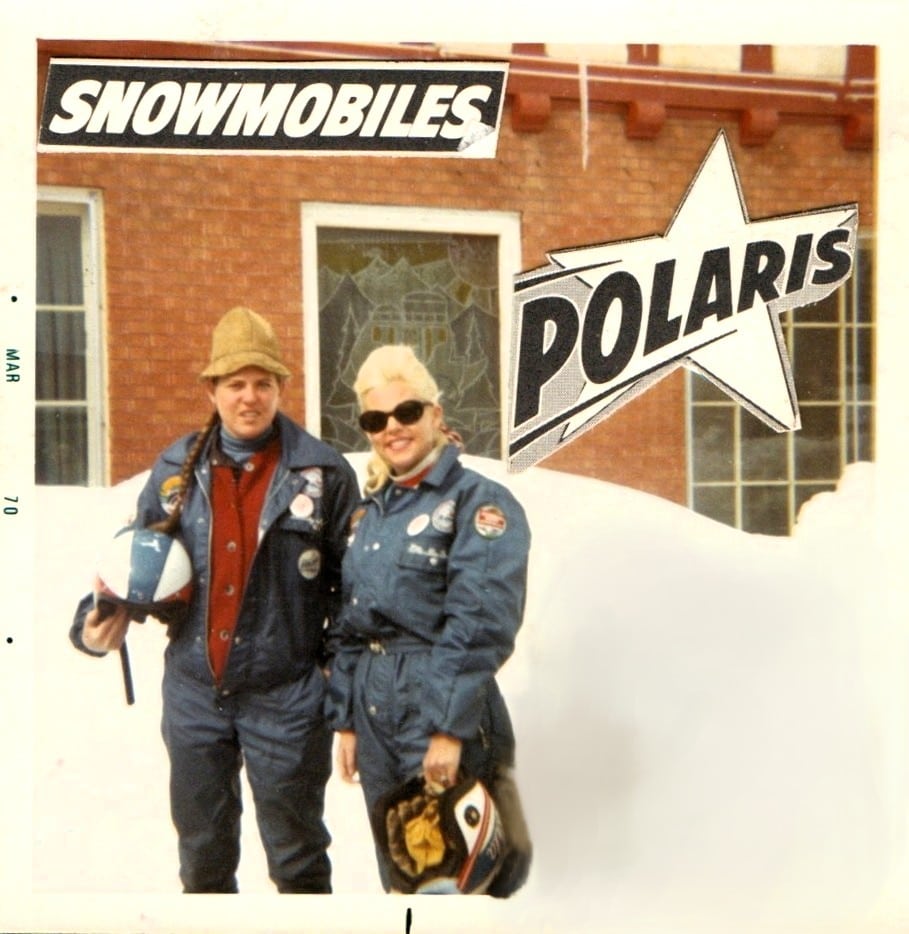
Some of Dorothy’s nicknames were Dottie, Dot, or Merce. She wore pearl-studded cowboy shirts, Levi jeans, pointed-toed boots, and a belt with a big buckle.
One of her friends, CJ Hadley, described Dorothy:
“She was tall, with long skinny legs, slim hips, and linebacker shoulders. She had big blue eyes, a beautiful smile, and was identified with her long braid visible beneath her ski or snowmobile helmet. After she cut her long braid, she roughed up her short, shaggy hair. Her smile was infectious. She could light up a room – that is, if she hadn’t already scared everyone out of it!”
Whether it was on the ski hill, or an oval racetrack, the rugged cross-country snowmobile terrain, or the blue waters of Lake Tahoe, skiing. Even in the dry desert, racing wild horses, Dorothy’s work ethic was to go full speed ahead, never giving up or giving in, especially in male-dominated sporting events.
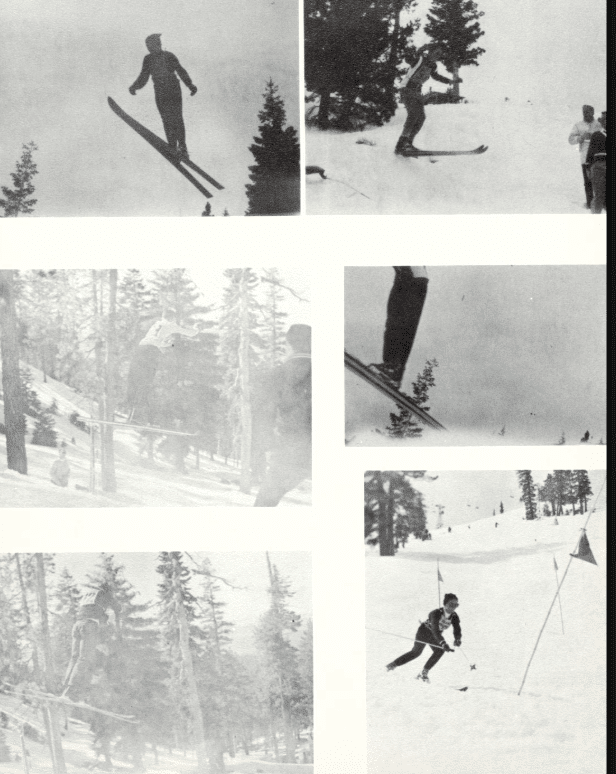
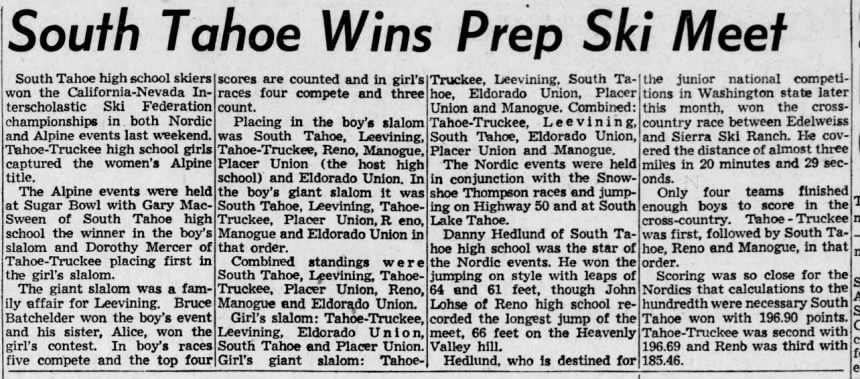
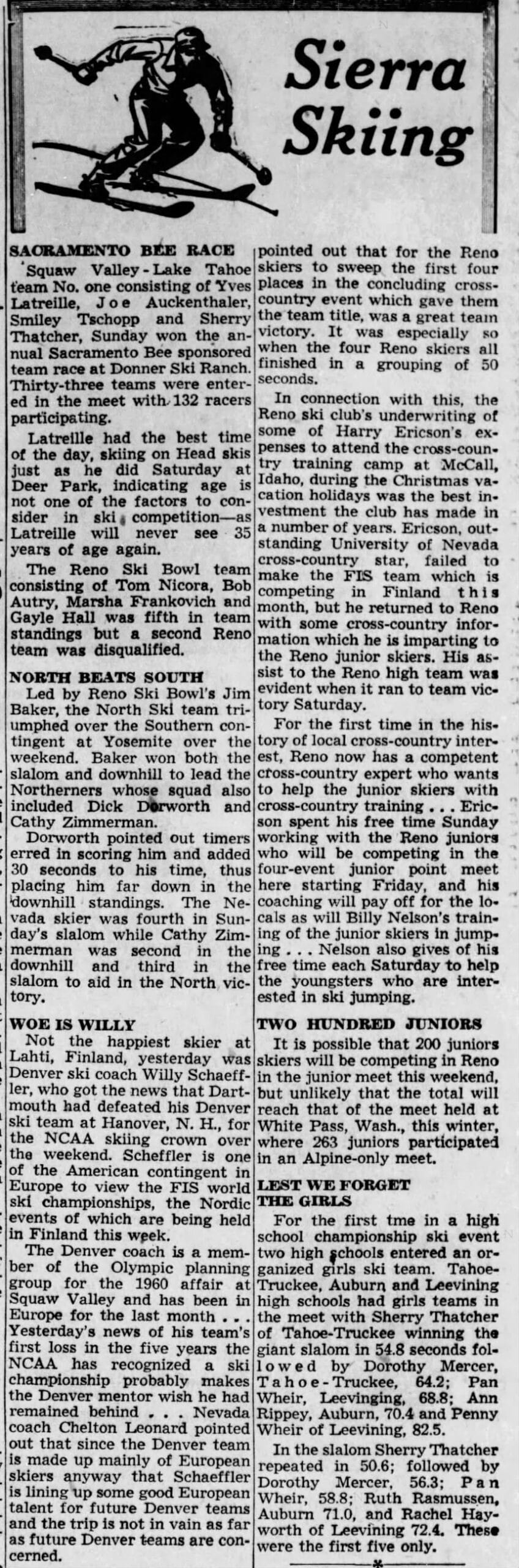
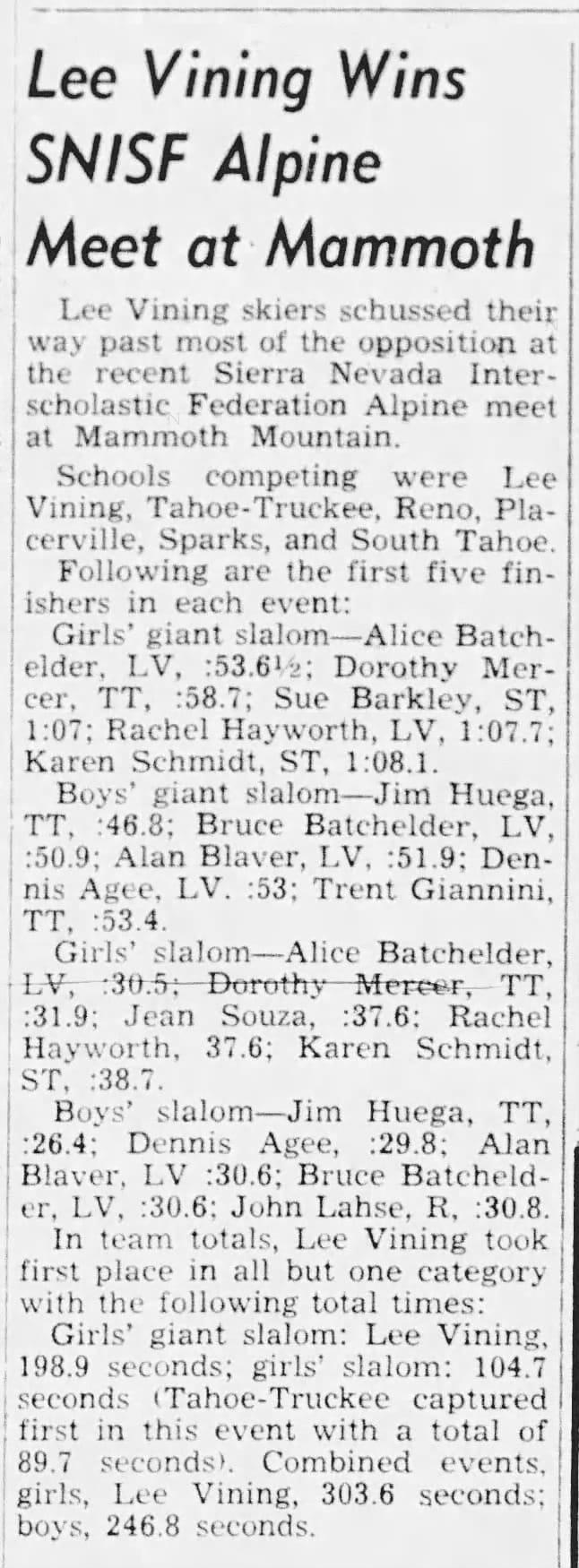
Blazing the Trail on the Ski Slopes as a Teenager!
Mercer's Trail After High School
Following her high school graduation, Dorothy enrolled at the University of Nevada, Reno. She had plans to major in business. BUT! She had other interests beside working with an adding machine and reading books! She had continued to participate in competitive alpine ski events, doing very well in winning top positions.
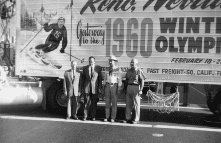
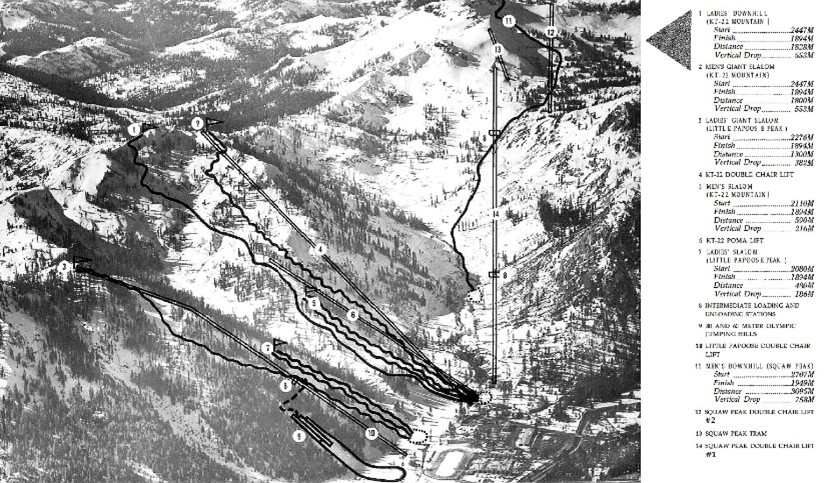
The 1960 Winter Olympic Games selected the University she was attending as the host university for the 1960 Games in Squaw Valley (now known as Olympic Valley).
The Olympics Are Calling Dorothy!
Mercer’s hard work, determination, and victories on the ski slope during her high school years, had caught the eye of many coaches and ski recruiters. Even though she was a college student, she loved to compete in alpine racing events. Her continued success in winning meets brought more recognition. She followed her heart, quit college, and decided to join the ski team at Squaw Valley.
Dorothy Mercer nicknamed “Merce” trained with the 1960 United States Olympic Ski Team during the preparation period at Squaw Valley. Multiple reports and family accounts state that Mercer quit the team before the competition began because she “couldn’t tolerate the strict rules” imposed on team members.
Contemporary accounts describe her as a “colorful character” who preferred the social and party scene at Lake Tahoe over the disciplined Olympic environment.
It is important to note, if she had followed the team’s order and rules, she likely would have qualified for a final racing spot due to her high level of skill.
Dorothy writing about her dismissal from the 1960 USA Olympic Ski Team.
"Merce" Becomes a "Motorized" Trail Blazer in 1965!
As displayed above, Dorothy stated in a letter in her own handwriting, “I started snowmobiling as a joke. I was bored. I was in pain. I had been thrown off the Olympic Ski Team because I partied too hard. The pain I felt I had caused myself. I was wrong not to take the sport seriously.“
What had started out as a joke eventually proved to be a successful move for Dorothy.
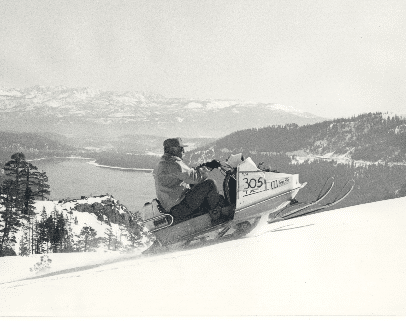
Dorothy purchased her first snowmobile in 1965 with winnings from a casino. At the age of twenty-four years, Dorothy Mercer became a snowmobile racer almost instantly! Washoe County, Nevada, Deputy Sheriff Tom Dooley recalled chasing her down Highway 28 on her snowmobile with a squad car, noting the start of her “need for speed” reputation in the snowmobile industry.
Norm Sayler handled the sales transaction on the snowmobile purchase.
Meet Norm Sayler, Another Trailblazer!
Norm, Dorothy and Polaris Snowmobile Racing!
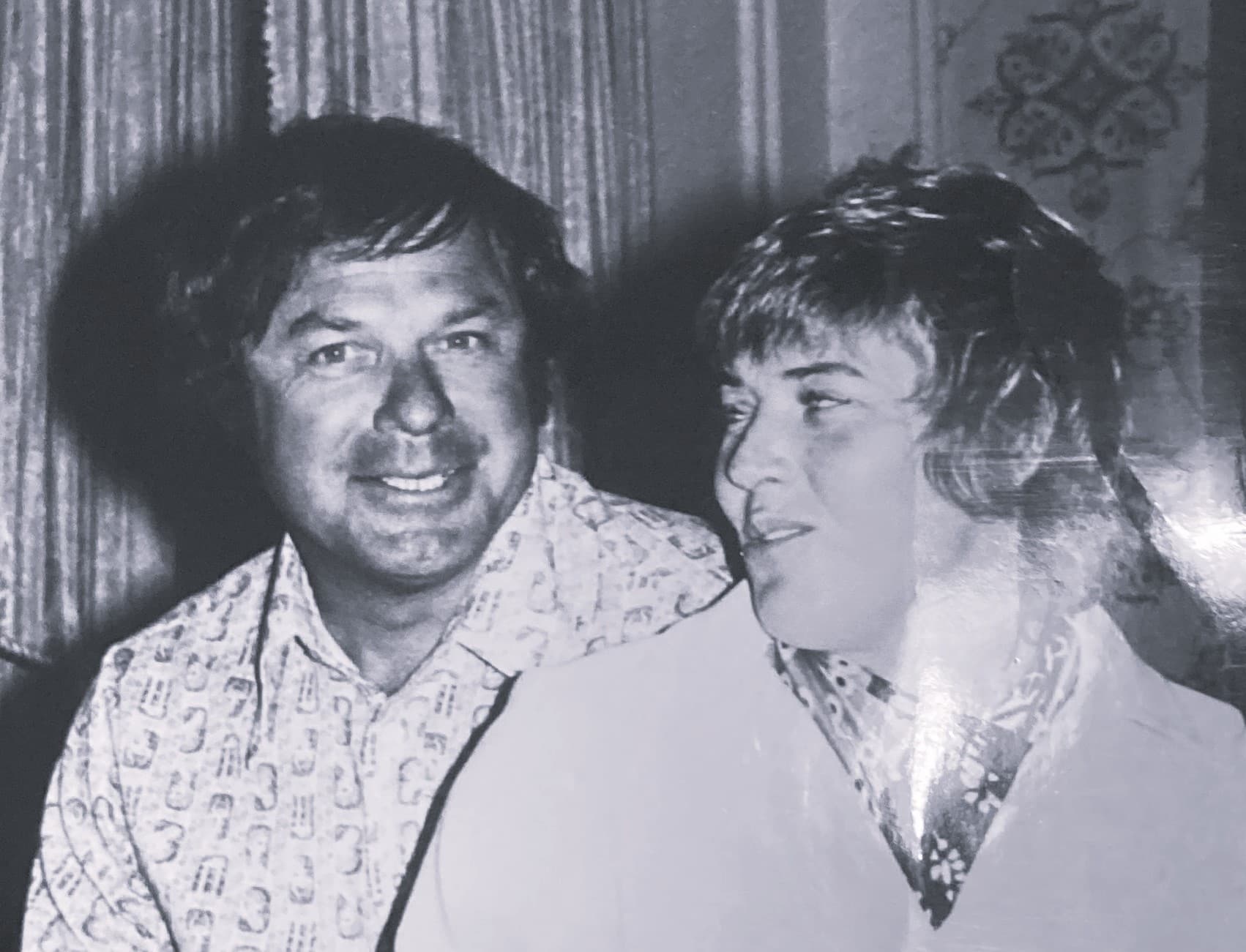
Dorothy had known Norm Sayler for many years. Dorothy and Norm were risk-takers, excelling in downhill skiing, water skiing, and later snowmobile racing. Norm was a mentor to Dorothy and a lifelong friend.
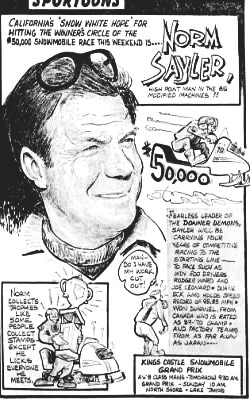
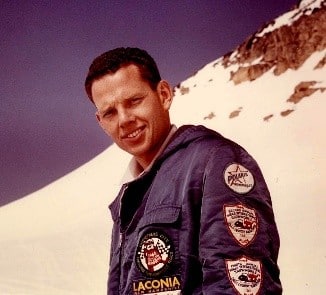
Norm had been one of eighteen members of The Mountain and Cold Weather Training Command Team from 1956 to 158. The team was the final group which had originally been part of the post of the famed 10th Mountain Division at Camp Hale. As indicated above, he was a Torch Runner in Squaw Valley’s 1960 Winter Olympics. Norm was recognized as one of America’s ski pioneers in Robert Froehlich’s ski history book, “Mountain Dreamers.” Norm, also a legendary Donner Summit figure and operator of Donner Ski Ranch, was a pioneer in California snowmobiling, helping popularize the sport in the Sierra Nevada during the late 1960s and 1970s.
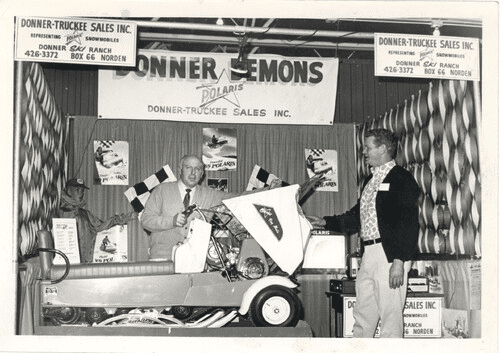
Norm Sayler, seated on the Mustang, was a supporter of all winter snow sports at his resort. The gentleman on the right is Jim Babcock, a sportswriter and cartoonist for The Sacramento Bee.
Norm Sayler became a pioneer and influential icon of the snow sports industry on Donner Summit. Sayler established early Green Tag fees for California snowmobilers. In the 1960s, “Green Tag” fees for California snowmobilers meant mandatory identification registration for off-highway vehicles, allowing them to operate on public lands.
Sayler ran the first snowmobile franchise in California in the early 1960s. He first sold Ski-Doo products but stated, “I found the Polaris sleds to be better.” and started selling the Roseau-built machines.
Donner-Truckee Sales, Inc. ad in the Sacramento Bee December 2, 1968
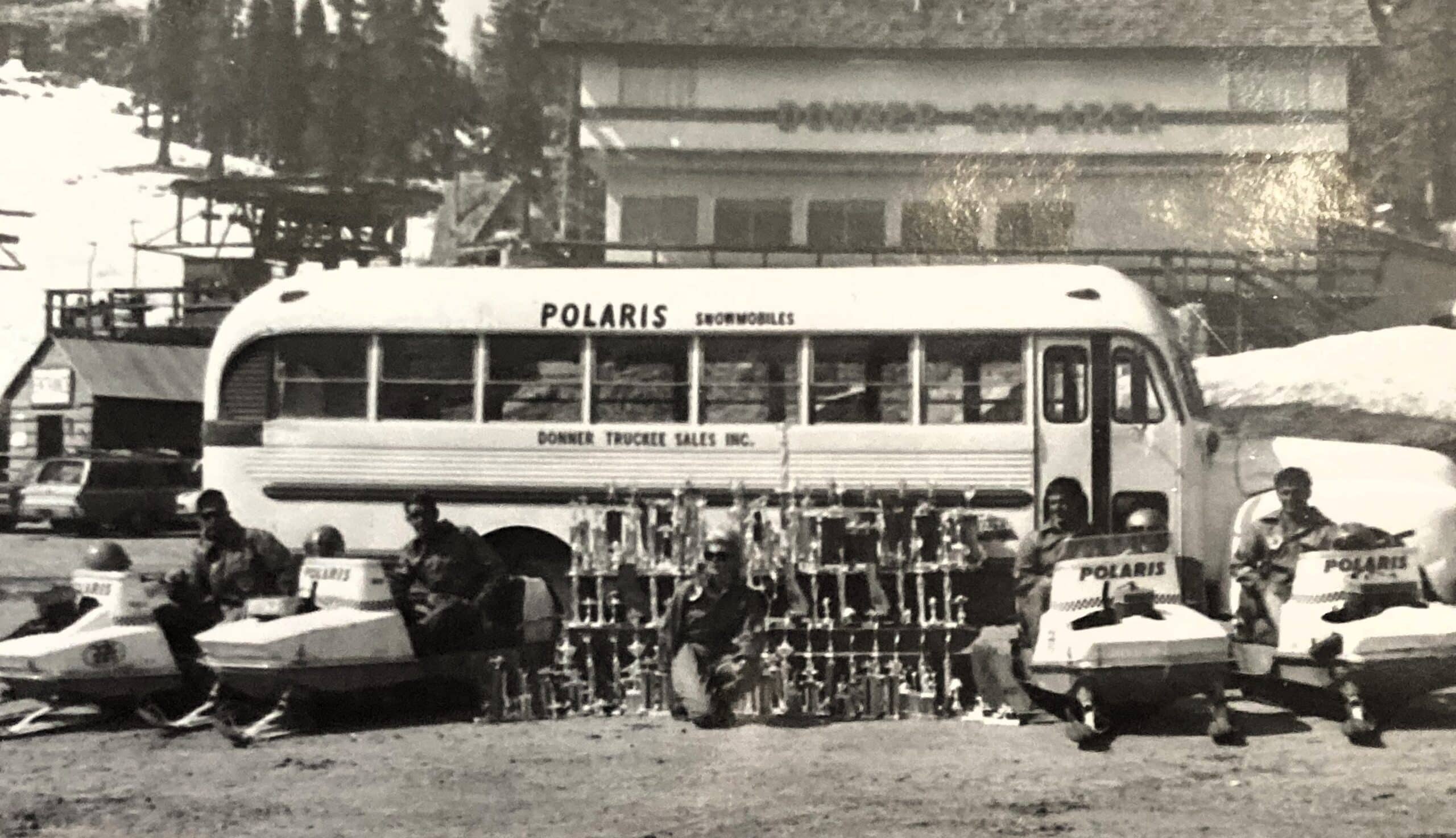
Thus, he became a Polaris Distributor for the west coast in 1968 called Donner-Truckee Sales, Inc. He also was owner and race driver for the Donner Demons Polaris Race Team.
He saw potential in the two Mercer sisters, hiring them to be part of his team.
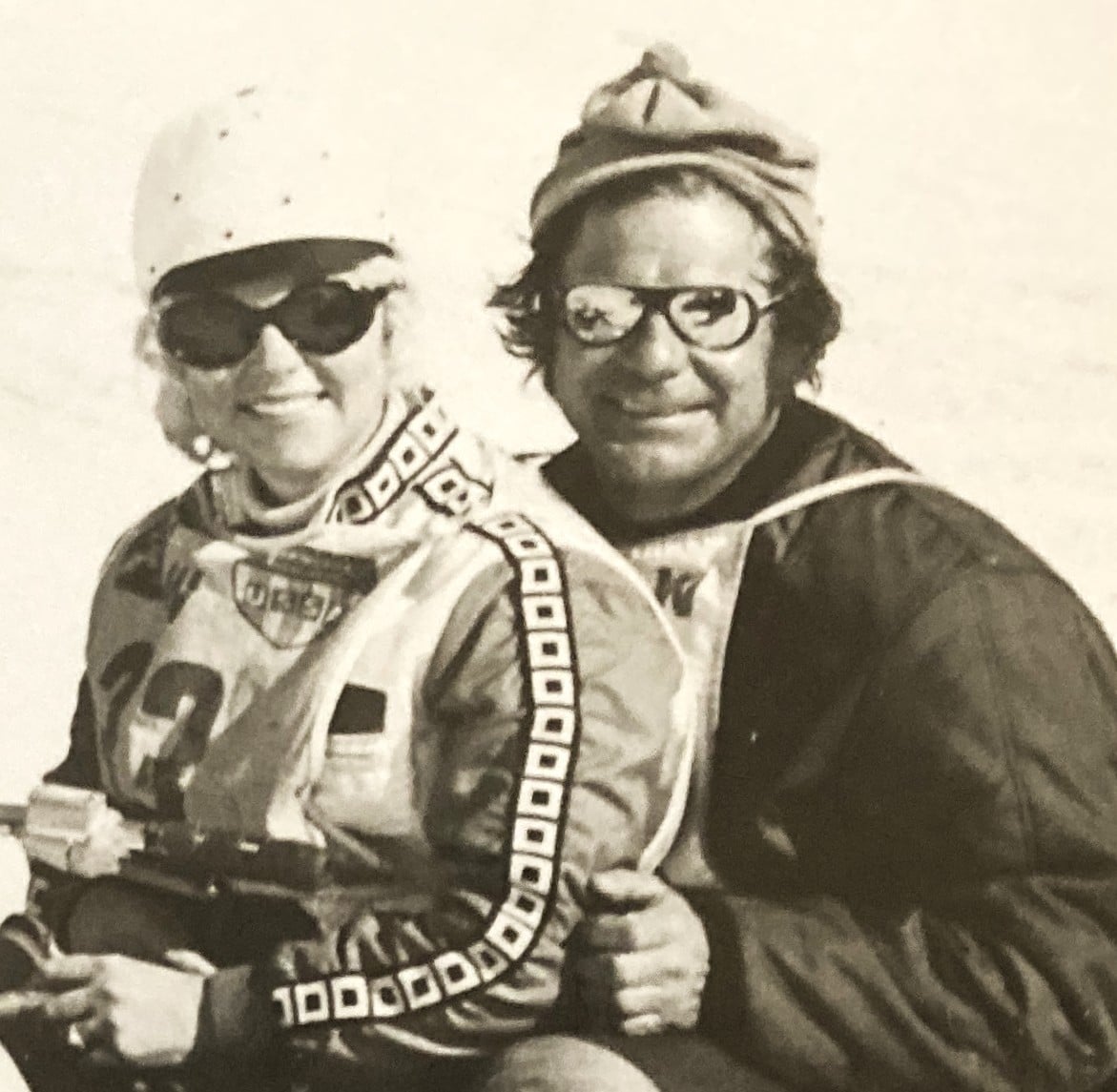
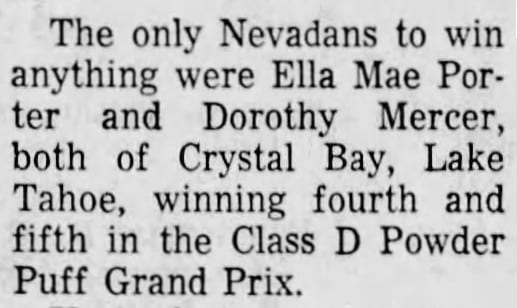
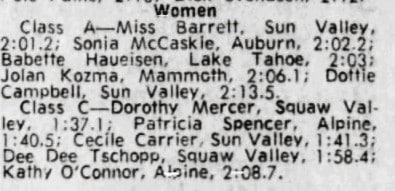
Dorothy and Ella Mae started racing snowmobiles in Nevada amateur competitions in the 1968, beginning successful careers. Both quickly embraced the sport, but Dorothy became particularly driven to succeed and loved to race snowmobiles. As Bill Vint put it, “Against anyone, any place, any time.”
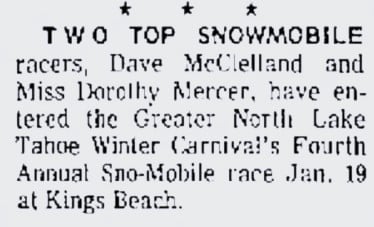
Their participation attracted significant media attention within the snowmobile industry and beyond. This recognition was especially advantageous for Dorothy, who gained fame for competing successfully against men when permitted in their category, winning numerous powder-puff oval-track races, and showcasing her lively personality.
Soon a “living legend” was to emerge!
The Polaris Boys Break Trail to Tahoe!
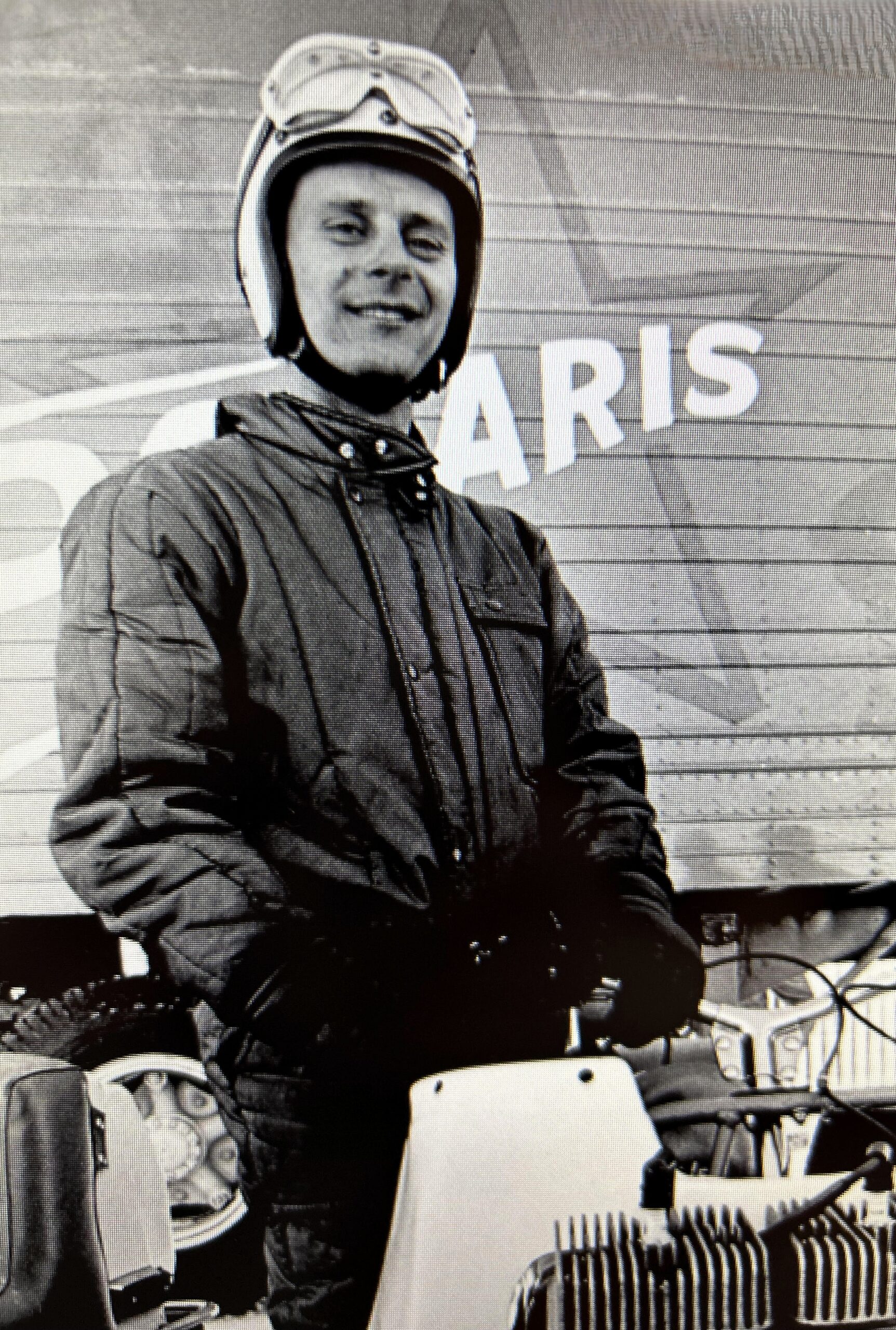
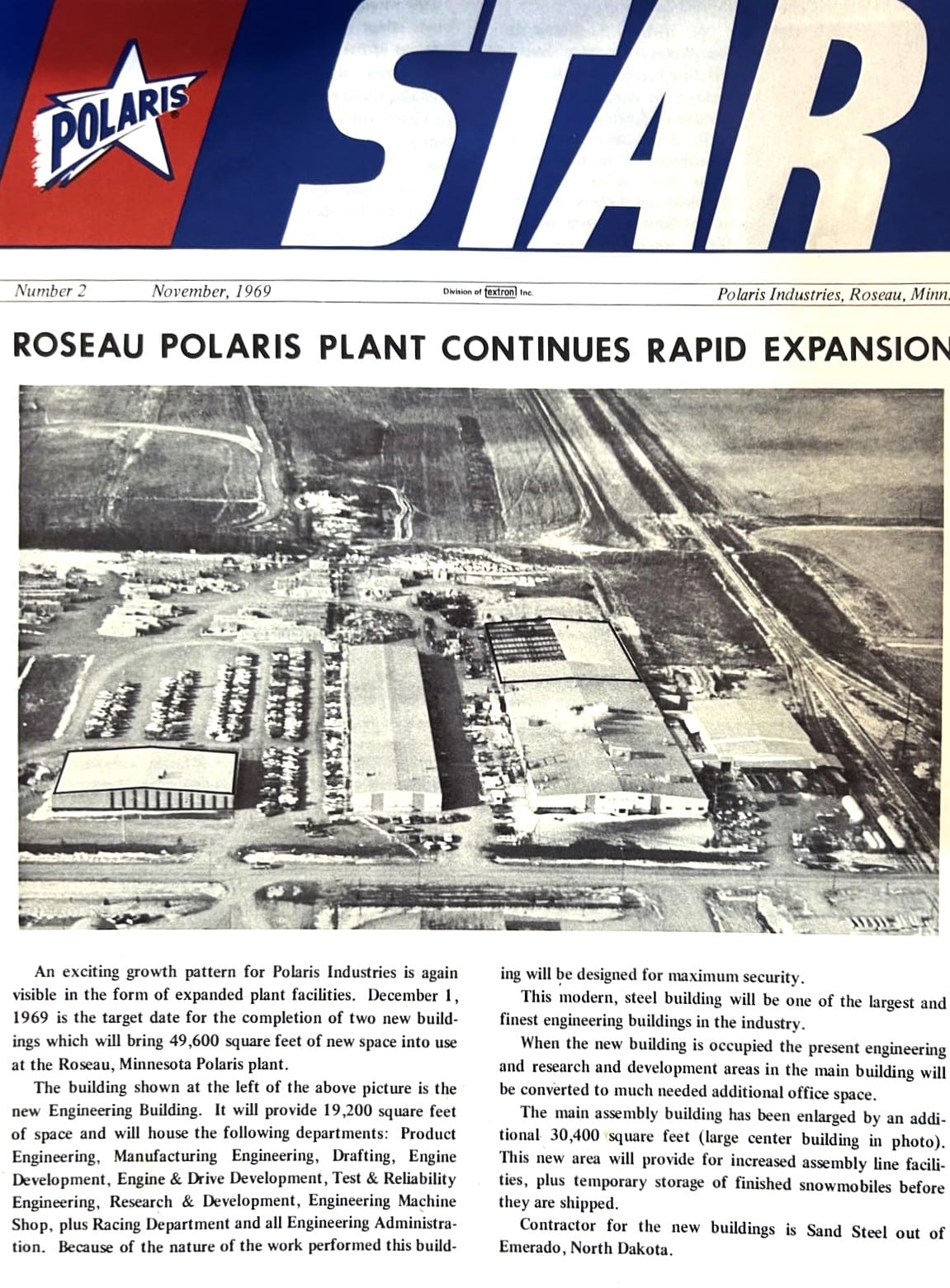
Norm established a professional association with Bob Eastman and LeRoy Lindblad, both employees of Polaris Engineering Research and Development, at an international Polaris Distributor event held in Minneapolis in 1969.
This introduction led to a longstanding relationship among the three individuals. Sayler provided support to the Polaris Research and Development Test Team by offering a place where the test crew could work and test sleds on the Summit, recognizing the potential to develop more mountain activity during the winter season with the snowmobiles.
Many ski resort owners in Lake Tahoe during the 1960s did not allow snowmobiles on their property because they were viewed as disruptive, noisy, and potentially dangerous to the burgeoning ski culture that prioritized serene mountain environments.
Norm Sayler did not. He sold, drove, raced, and utilized snowmobiles. In a recent phone conversation, he stated that he saw the potential of allowing snowmobiles at the Donner Ski Ranch for a number of reasons. “ We used them to pack the slopes, transport guests, and their ski gear, and move around the mountain well which all helped in the operation of the ranch. I was a rebel too, not going along with other owners’ opinions. The noise didn’t bother me either. Hell, it was another way to enjoy the mountain! Besides, I liked riding and racing myself!” he chuckled.
Snowmobiles enjoying Donner’s Ranch
In a telephone conversation with the researcher, he recalled the Roseau boys loved coming to California. In fact, one young Roseau man who was an All-Star hockey player in the mid-1960s by the name of Jerry Klema, liked it so much he bought into the Donner Ranch, purchasing a number of shareholdings.
Jerry Klema
What Trail Will Polaris Lead Dorothy On?
Snowmobile racing surged in popularity during the late 1960s, with thousands of racers competing at fairgrounds and farm fields, at tracks initially meant for horses or cars nationwide. Every weekend, crowds of eager participants would travel from distant places to convene at race venues, vying against neighbors, friends, classmates, and even well-known factory teams.
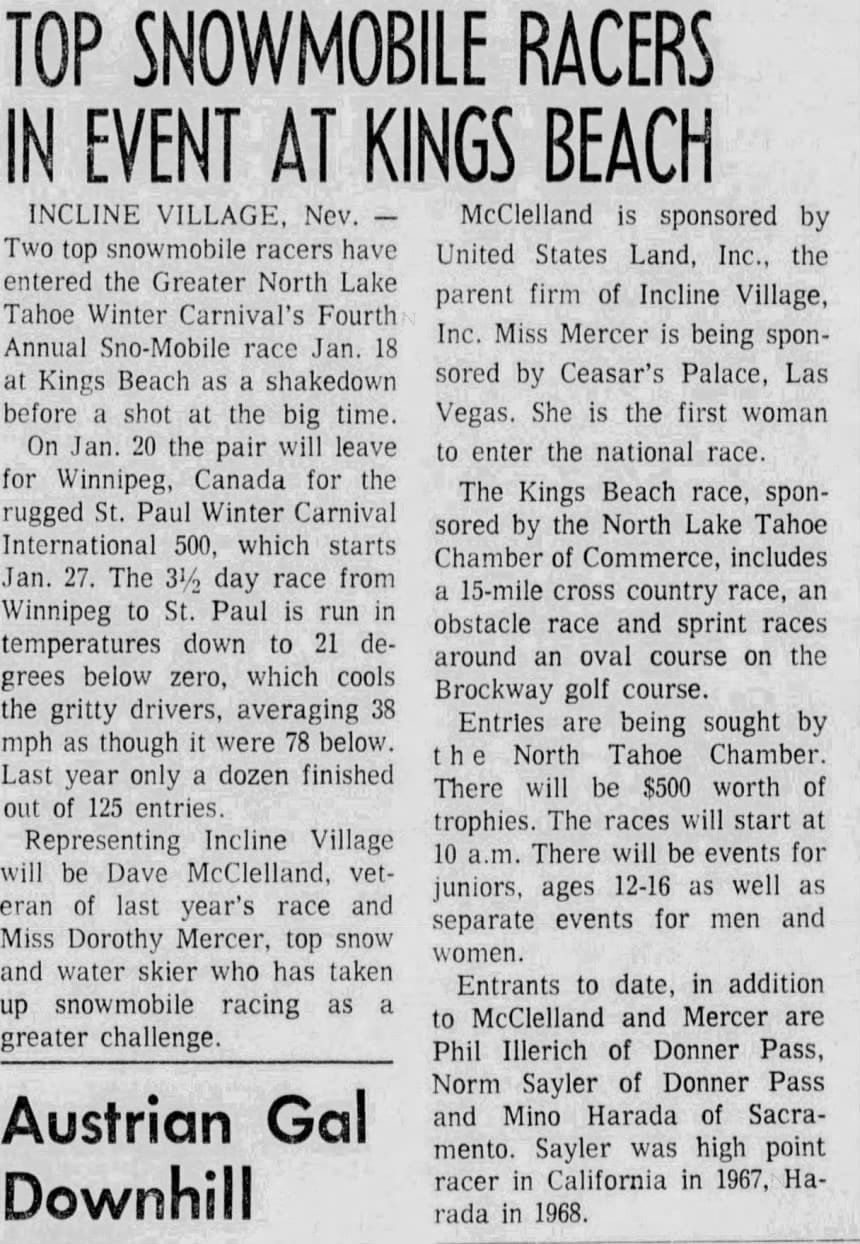
Dorothy began her competitive racing career in 1968, racing for Norm Sayler, a Polaris Distributor on the west coast. Sayler’s team was known as Donner’s Demons, and Dorothy took part in races ranging from local events to the most prestigious competitions.
Within just two years, Dorothy had gained extensive experience, becoming deeply immersed in a sport that would have a lasting impact on her life.
Discover how snowmobiles would play an even greater role for Dorothy in Part II!
To learn more about Polaris and its history, visit the Polaris Experience Center in Roseau, Minnesota.
Polaris Experience Center
Suite #2, 205 5th Avenue Southwest
Roseau, Minnesota 56751
(218) 463-4999
Visit Facebook sites:
Polaris-Roseau
Go Roseau
Polaris Experience Center
Written and Researched by Carmen Przekwas
Digital Creator Sinnamon Krings Roseau Promotions Director
All Rights Reserved Carmen Przekwas
References and photos:
John Porter
Norm Sayler
Dorothy Mercer personal archive collection
Roseau County Historical Society
Roseau Times Region Archives
Starfire Kids, Midnight Blue Express by Larry Preston
Warriors of Winter by Bill Vint
Race & Rally/SnowTech Magazine
SnowGoer
The Sacramento Bee
Oakland Tribune
Grand Forks Herald
Reno-Gazette-Journal
The Minneapolis Star
Reno State Journal
Star Tribune, Minneapolis, MN
The Duluth News Tribune
CJ Hadley
CJ Ramstad
Karolyn Eastman


The Roseau Sports Show 

Everything You Need for Fall & Winter Outdoor Life!
Roseau Event Center
Saturday, October 4, 2025
9:00 AM – 4:00 PM
Northern Minnesota’s premier fall outdoor expo is back!
What Can Visitors Expect?
ATVs, RVs, snowmobiles & powersports on display
Live demos, guest speakers, and prize giveaways
Full coverage and livestreams by Cold Vision Outdoors
Food, fall treats, family fun, and interactive exhibits!
Outdoor Business in Roseau?
Reserve your FREE vendor booth here:
Indoor & outdoor booth space available
Get featured in advertising, livestreams, and recap videos